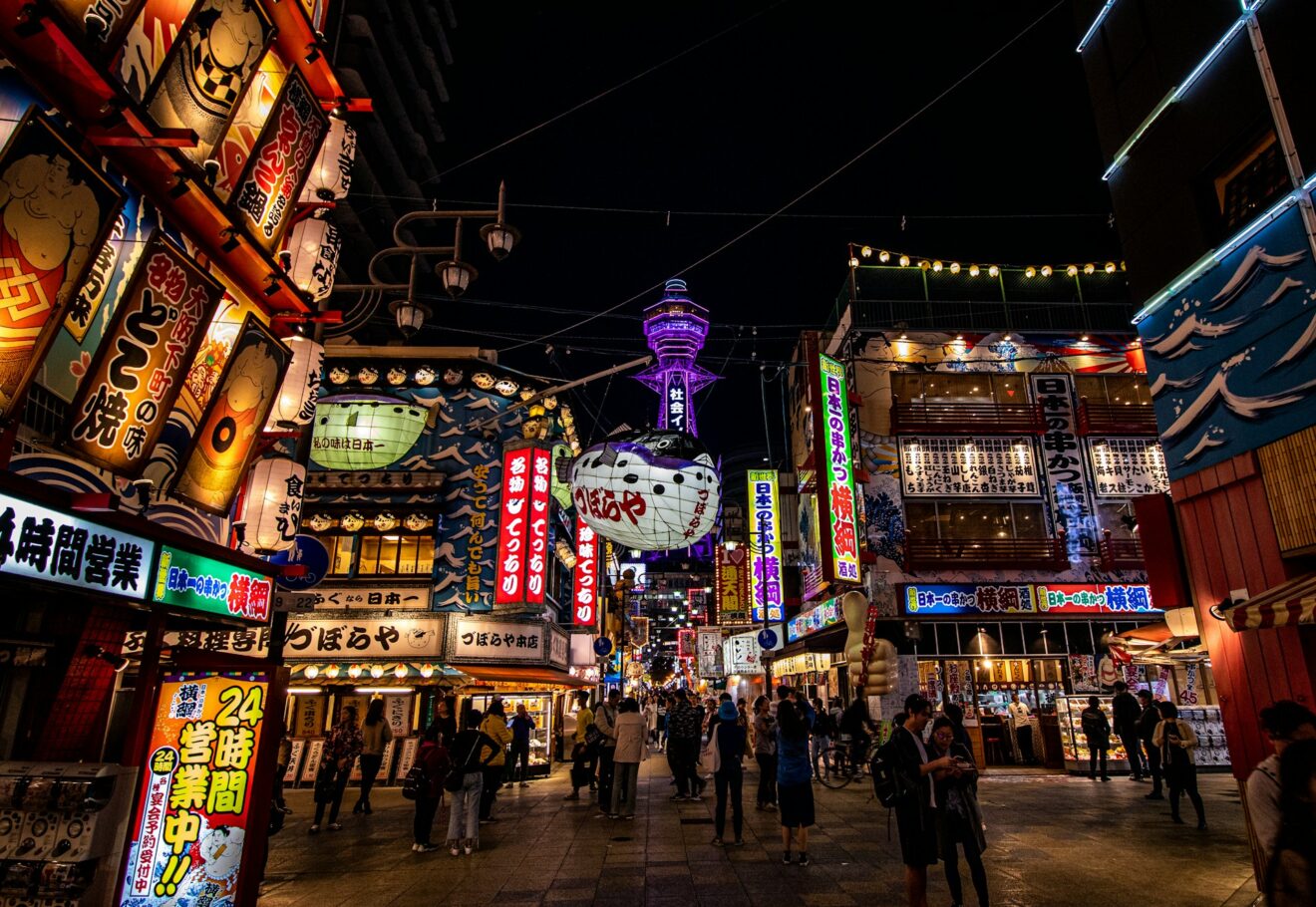
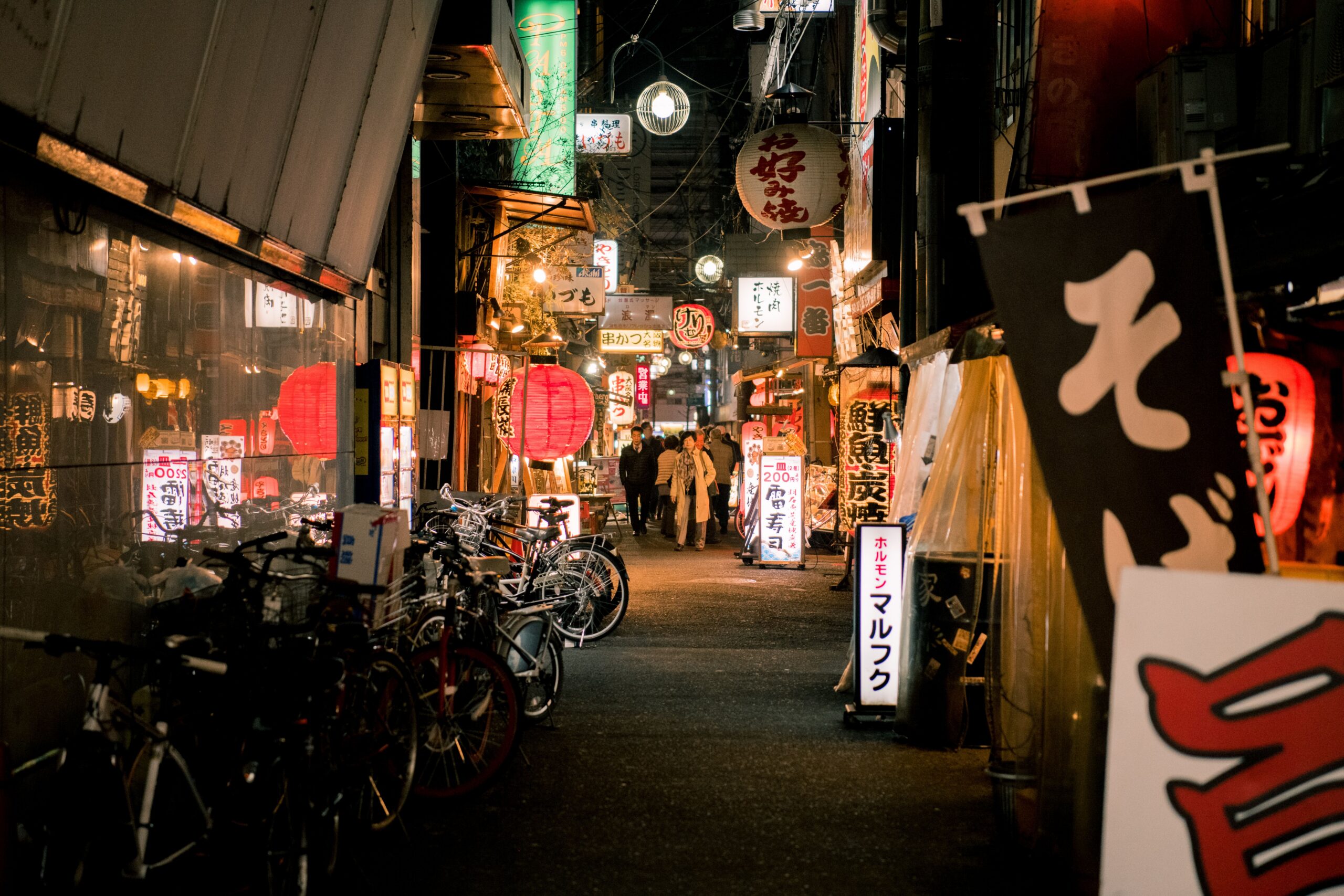
Push open a smoke-scented curtain, duck under a row of paper lanterns, and suddenly you’re in it: skewers hissing on the grill, someone slamming a glass down mid-laugh, a chorus of “kanpai!” erupting from the table behind you. This is peak Japan after dark, and for a few confusing minutes, you have absolutely no idea what you’re supposed to do. But don’t worry, we got you.
Welcome to the izakaya, Japan’s beloved after-work institution, somewhere between a pub and a tapas bar, where locals have been eating, drinking, and unwinding by the same unspoken rulebook for generations. Nobody hands you a manual. You’re just supposed to know. Luckily, we’re handing you one anyway, plus a few of our favorite places to put it to use in Tokyo and Kyoto.
Table of Contents
What Makes an Izakaya an Izakaya in Japan
Before going to an izakaya in Japan, helps to know what you’re walking into. Izakayas range from tiny five-seat counters run by one person for forty years, to loud multi-floor chains with tablet ordering, to quiet neighborhood spots where the same regulars show up every night.
What ties them together is the format: small shared plates ordered gradually throughout the night, and alcohol as the centerpiece rather than an afterthought. The pace of the meal is meant to stretch across a few hours, and no one rushes through the meal.
You’re not just there to refuel; you’re meant to linger and relax with others.
Getting Seated (and the Mysterious Appetizer)
The moment you sit down, staff will usually bring a small dish you didn’t order, such as pickled vegetables, edamame, or a bite of something simple. This is called otoshi (or tsukidashi in some regions), and it’s not a mistake or a scam. It’s a seating charge, typically a few hundred yen per person, that functions like a cover charge. Just eat it and don’t argue with the bill later.
Don’t wait for a server to notice you; that’s not how it works here. When you’re ready to order, or need anything, call out “sumimasen!” (excuse me) with a raised hand. It might feel rude at first if you’re not used to it, but it’s completely normal and expected, even in quieter spots.
The Classic First Order at Izakaya in Japan
Almost every izakaya visit starts the same way: someone in the group says “toriaezu nama,” meaning “for now, a draft beer,” and the whole table orders the same thing to start, even if people want something else later. It’s a small ritual that gets everyone drinking together at the same time, rather than staggering in one by one. Of course, you don’t need to follow that, but it is good to know.
Once the drinks arrive, don’t sip yet. Wait for the group toast, and say “kanpai!” Drinking before the kanpai toast is a minor faux pas; everyone’s glass should meet (or at least raise together) first. It’s a small moment, but it’s the unofficial start of the night.
Ordering Izakaya Food Like a Local
Izakaya food is meant to be shared, not eaten solo-style with everyone ordering their own plate. Order in waves, a few dishes to start, then more as you go, rather than ordering everything at once. This keeps the table moving, gives you room to react to what you liked, and matches the pace of the night rather than front-loading it.
If the menu is Japanese-only, don’t panic. Most izakayas have picture menus, and pointing is completely acceptable; staff are used to it.
A few dishes worth knowing by name so you’re not ordering blind:
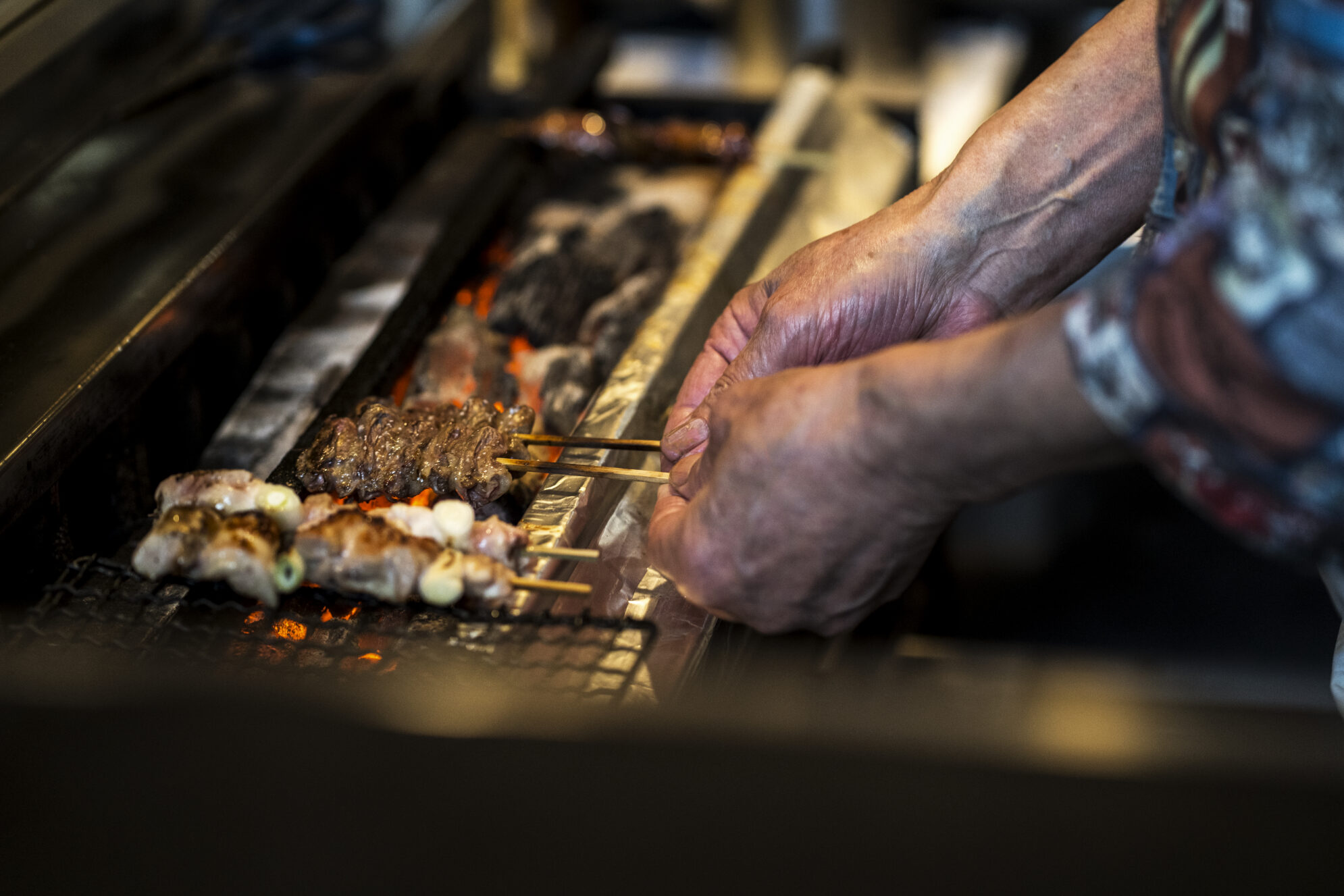
- Yakitori: grilled chicken skewers, often ordered by the piece or in an assorted set
- Karaage: Japanese fried chicken, close to a universal crowd-pleaser
- Edamame: boiled soybeans, the classic first-round snack
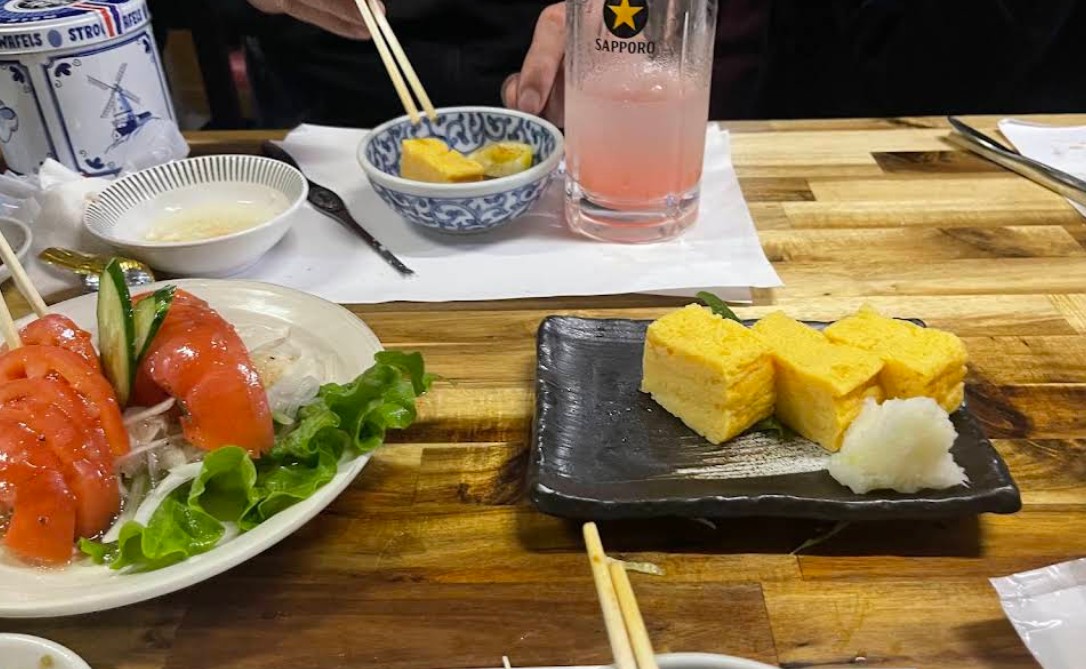
- Sashimi moriawase: an assorted sashimi plate, a good way to sample without over-ordering
- Agedashi tofu: lightly fried tofu in a savory dashi broth
- Nomihoudai: all you can drink for a set amount of time
- Tabehoudai: all you can eat for a set amount of time
Rules Nobody Tells You at Izakaya in Japan
This is the one that trips up most first-timers: you don’t pour your own drink. Pouring is a social gesture; you fill your neighbor’s glass, they fill yours. This is usually only a gesture Japanese people do with each other, so unless you have Japanese people with you you do not have to worry. However, it is fun to practice!
Keep an eye on the people around you, and top off their glass when it’s getting low; they’ll usually do the same for you. Holding your glass out with both hands when someone pours for you is a small, appreciated touch.
Pace your drinks with your food rather than drinking on an empty stomach; izakaya culture is built around eating and drinking together, not speed-drinking. If you want to slow down, ordering a non-alcoholic drink or switching to tea mid-meal is completely normal and won’t draw any attention.
Common Mistakes to Avoid at Izakaya in Japan
- Don’t tip. Restaurants in Japan do not usually accept tips, and leaving money on the table can actually cause confusion for staff.
- Splitting the bill unevenly is rare. Most groups just split evenly, even if someone ate or drank a bit more.
- Keep the volume reasonable. Izakayas are lively, but there’s a difference between festive and disruptive. Sometimes there is the rogue Japanese salaryman who is off his rocker, though.
- At counter seating, don’t move your seat around. Some counters have an unspoken order to where regulars sit.
- Don’t linger too long without ordering. If the table’s gone quiet for a while, it’s a good cue to order another round of drinks or a final dish before wrapping up.
Paying and Leaving at Izakaya
The bill is almost always settled at the register near the exit, not at your table. Your server will usually say the total out loud or point to a screen. Cash is still king at smaller, older-school spots, so it’s worth carrying some, while more modern locations accept card or electronic payments.
A simple “gochisousama deshita” (thank you for the meal) on your way out is the polite send-off, and staff will genuinely appreciate it!

What to Drink at an Izakaya in Japan
Beer may start the night, but most izakayas offer everything from whisky highballs and local sake to fruity drinks that taste suspiciously harmless. Here are the main options you are likely to find.
Draft Beer
A cold draft beer, or nama biiru, is the classic first order. Asahi, Kirin, Sapporo, and Suntory are common, depending on which brewery supplies the izakaya.
Beer pairs naturally with salty and fried dishes such as yakitori, karaage, gyoza, and edamame. To order, say:
“Nama biiru hitotsu, onegaishimasu.” One draft beer, please.
Highball
A Japanese highball is whisky mixed with soda water and served over ice. It is crisp, refreshing, and less filling than beer, making it a popular choice for the second round.
Standard whisky highballs are most common, but you may also see ginger, cola, or extra-strong versions. They go particularly well with fried chicken and grilled meat.
Sours
A sour combines shochu, soda water, and fruit flavoring. Lemon is the classic choice, although grapefruit, peach, grape, yuzu, and ume frequently appear on menus. You may also see these drinks called chūhai.
They are light, refreshing, and often stronger than they taste.
Sake
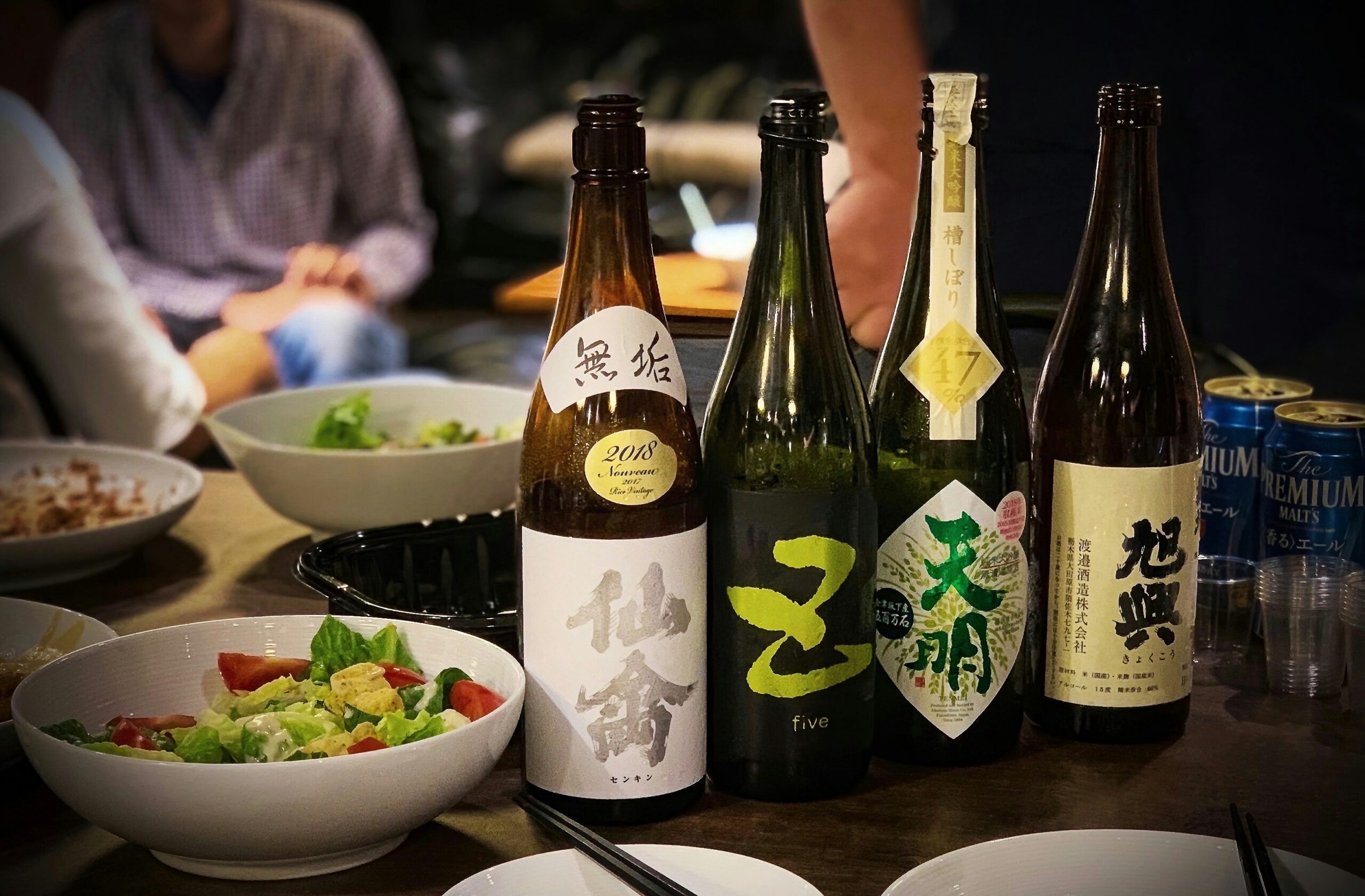
In Japan, Japanese rice wine is often called nihonshu, since the word sake can refer to alcohol in general.
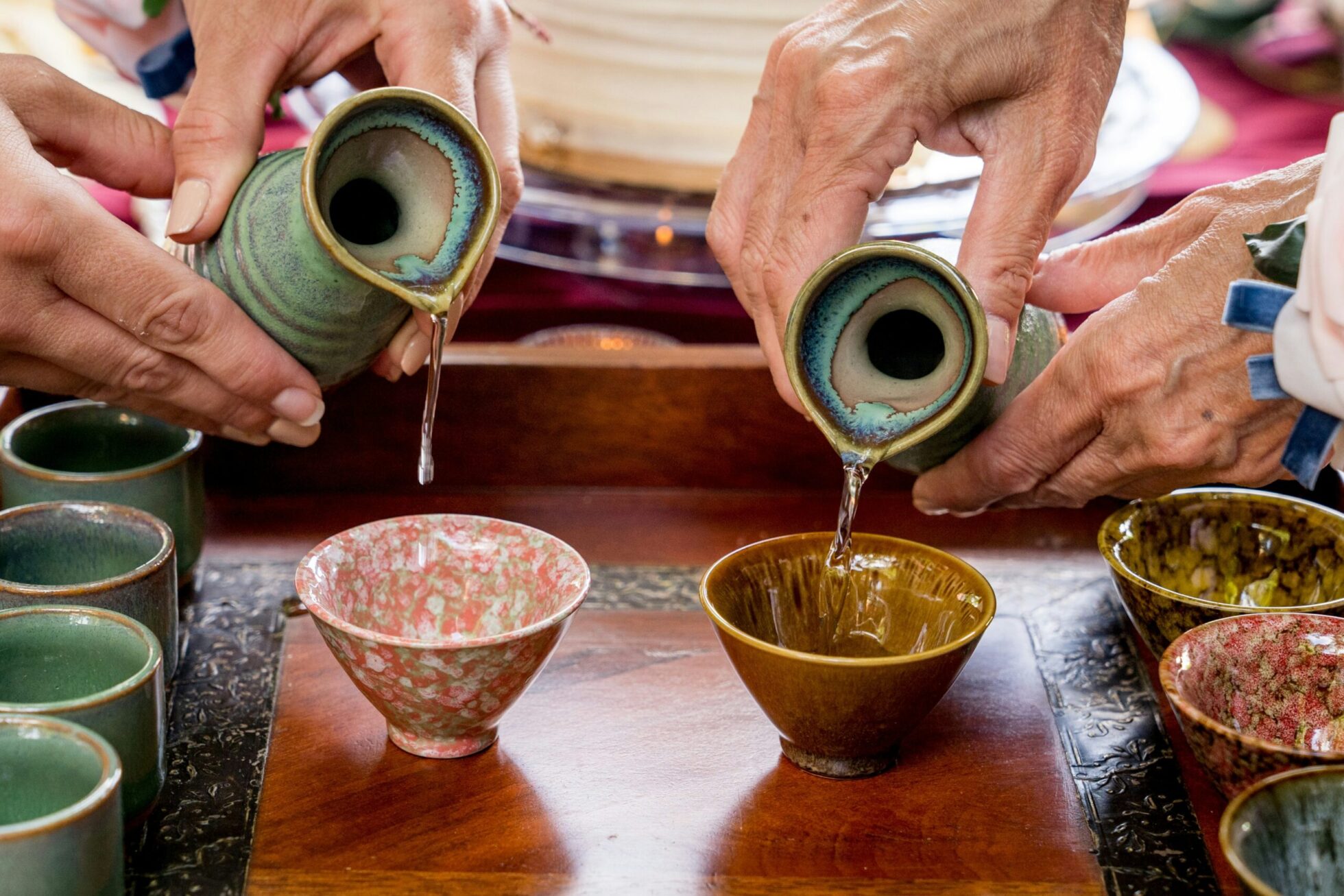
Nihonshu may be served chilled, at room temperature, or warm. Some izakayas offer several regional varieties, so asking the staff for a recommendation is usually easier than attempting to translate every bottle.
Osusume no nihonshu wa nan desu ka? Which sake do you recommend?
Umeshu
Umeshu is a sweet liqueur made with Japanese ume, or plum fruit. It is usually served on the rocks or mixed with soda and is a good option for anyone who finds beer too bitter or sake too strong.
It tastes sweet and approachable, but remember: sweet does not necessarily mean weak!
Non-Alcoholic Drinks
Not drinking is completely fine. Most izakayas offer alcohol-free beer, soft drinks, tea, and sometimes mocktails. Oolong tea is an especially common choice and pairs well with almost everything on the menu.
You can still join the toast. Just raise your glass and say “kanpai” with everyone else.
Our Favorite Izakaya in Tokyo
Tokyo has thousands of izakayas, from tiny counters beneath the train tracks to polished restaurants built around seasonal sake and seafood. These five offer very different versions of the experience.
Price range: Approximately ¥4,000 to ¥5,000 per person
Location: Beneath the railway tracks near Yurakucho Station
Food style: Fresh seafood, sashimi, grilled fish, and izakaya classics
Best for: Seafood and a lively under-the-tracks atmosphere
Andy’s Shin Hinomoto sources fresh fish and vegetables from Toyosu Market and serves them in a lively, welcoming setting. English menus and English-speaking staff make it particularly approachable for international visitors.
Price range: Approximately ¥3,000 to ¥4,000 per person
Location: Ginza Itchome
Food style: Sashimi, grilled fish, and Japanese home-style dishes
Best for: Affordable, old-school dining in Ginza
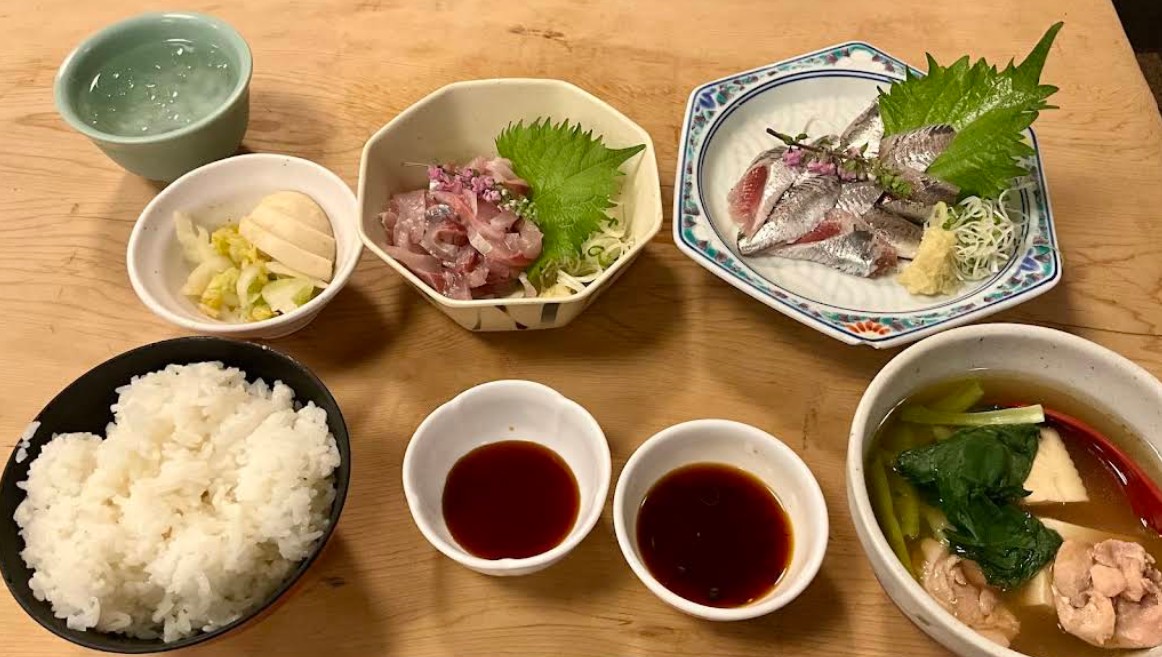
Sanshuya is the opposite of what many travelers expect from Ginza. Instead of luxury dining, you get communal tables, handwritten menu signs, generous fish dishes, and the atmosphere of a traditional taishu kappo, or casual Japanese neighborhood restaurant.
Price range: Approximately ¥5,000 to ¥6,000 per person
Location: Beside Yoyogi-Uehara Station
Food style: Seasonal Japanese dishes, seafood, and sake
Best for: Exploring different styles of Japanese sake
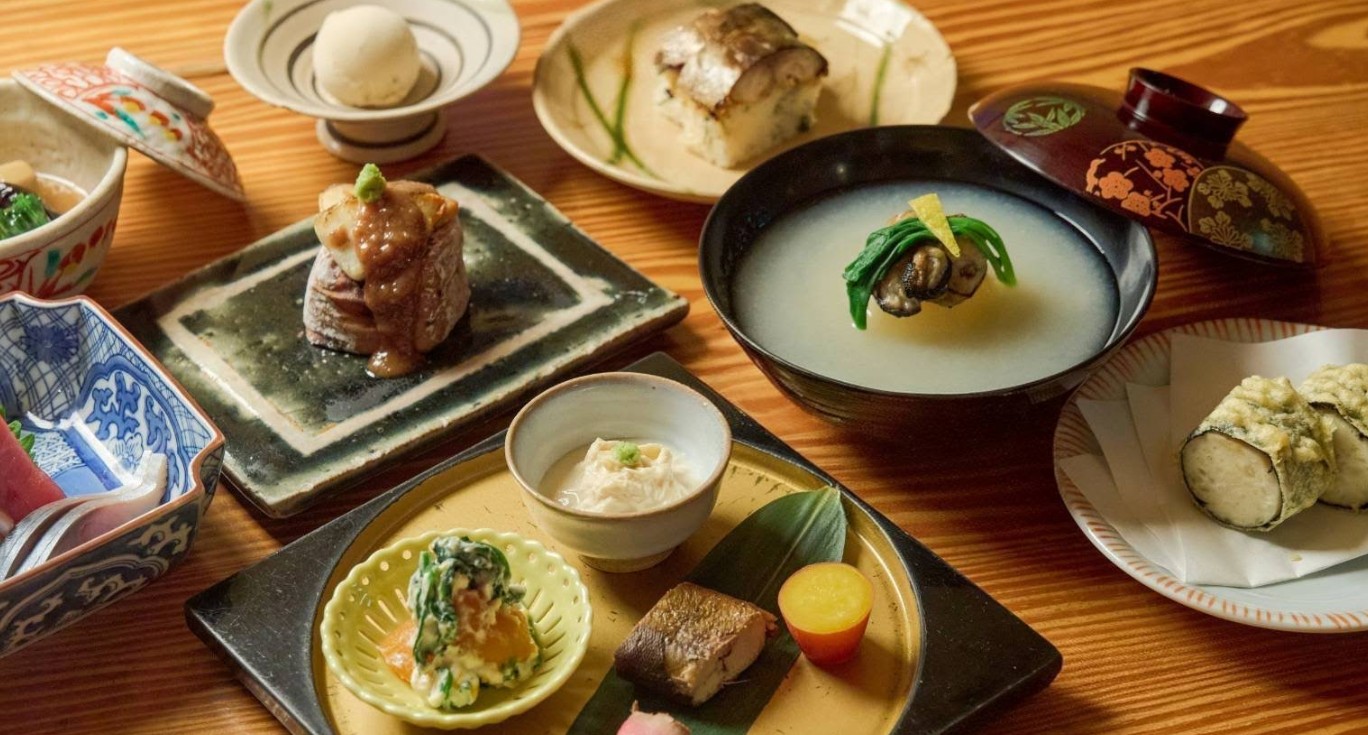
Sasagin is an excellent choice for anyone who wants to understand Japanese sake rather than simply order the first bottle on the menu. Pair the extensive sake selection with seasonal sashimi, grilled fish, tempura, and daily specials.

Price range: Approximately ¥4,000 to ¥6,000 per person
Location: One minute from Kita-Senju Station
Food style: Shellfish, fresh seafood, and robatayaki
Best for: A lively local experience outside central Tokyo
Bambi specializes in shellfish, seafood, and robatayaki, a cooking style in which ingredients are slowly grilled over charcoal or an open hearth. Its hidden upper-floor location and energetic atmosphere make it a good choice for exploring beyond Tokyo’s main tourist districts.

Price range: Approximately ¥2,000 to ¥3,000 per person
Location: Near Shinsen Station, around five minutes from Shibuya
Food style: Pan-fried pork gyoza and casual izakaya dishes
Best for: An affordable and energetic night out
Dandadan is known for handmade gyoza filled with pork and plenty of hot, savory juices. The dumplings are seasoned to be eaten without dipping sauce and pair particularly well with a cold draft beer. Bite carefully unless you want the first mouthful to end up on your shirt.
Ready to Try Izakaya With a Local?
Reading the rules is one thing; actually navigating a real izakaya menu, ordering the right dishes, and keeping up with the toasts is another. On our Best of Izakaya experience in Tokyo or our Kyoto Food Night tour, we take you to the spots locals actually go, no picture menus needed, no guesswork, just good food, good drinks, and a guide who’ll make sure you never feel like the outsider at the table.
Final Thoughts - Visiting Izakaya in Japan
Your first izakaya visit may feel slightly confusing, but that is part of the experience. You might receive food you did not order, struggle with a handwritten menu, or accidentally choose a drink much stronger than expected. None of that means you are doing it wrong.
The most important rules are simple. Order a few dishes at a time, share with the table, wait for the kanpai, and treat the staff and other customers with consideration. You do not need perfect Japanese or an encyclopedic knowledge of sake. A friendly attitude, a few useful phrases, and a willingness to try something unfamiliar will take you a long way.
Whether you choose a tiny neighborhood counter, a noisy gyoza chain in Shibuya, or a refined Kyoto machiya, izakayas offer one of the best ways to experience how people in Japan actually eat, drink, and unwind.
Come hungry, bring some cash, and remember that the innocent-looking lemon sour may not be as innocent as it appears.
Interested in learning about incredible sightseeing locations around Japan? Make sure to check out our other blog posts, such as our guide to the Nishiki Market, the history of Fushimi Inari, and an itinerary for 3 full days in Kyoto.
Izakaya in Japan FAQs
What is an izakaya?
An izakaya is a casual Japanese drinking and dining establishment where guests order drinks alongside small plates of food. It is often compared to a pub or tapas bar, although the atmosphere and menu can vary enormously.
Do you have to drink alcohol at an izakaya?
No. Non-drinkers are completely welcome at most izakayas. Common alternatives include alcohol-free beer, oolong tea, soft drinks, sparkling water, and mocktails. You can still raise your glass and join the kanpai.
How much does an izakaya meal cost?
A casual izakaya visit usually costs around ¥2,000 to ¥5,000 per person, including food and a few drinks. More refined restaurants, seafood specialists, and sake-focused izakayas may cost ¥6,000 or more. Check recent menus on the restaurant’s official website, Google Maps, or Tabelog before visiting.
Do izakayas charge a seating fee?
Many izakayas serve a small appetizer called otoshi or tsukidashi shortly after you sit down. It usually comes with a small seating charge, even though you did not order it. This is standard practice and is not considered a tip.
Do I need a reservation?
Reservations are strongly recommended for popular izakayas, especially on Friday and Saturday evenings. Tiny counter restaurants may accept walk-ins only, while larger establishments often allow online or telephone reservations. Google Maps, Tabelog, and the restaurant’s official website are useful for checking the latest policy.
Are izakayas suitable for solo travelers?
Yes. Counter seating makes izakayas particularly comfortable for solo diners. Smaller neighborhood restaurants can be welcoming, although places with handwritten Japanese-only menus may require a little patience. Sitting at the counter also gives you a chance to watch the cooking and ask staff for recommendations.
Can vegetarians eat at an izakaya?
It depends on the restaurant. Vegetable dishes, tofu, pickles, edamame, and salads are common, but sauces and broths may contain fish-based dashi or other animal ingredients. Travelers with strict dietary restrictions should confirm ingredients carefully or choose a private food experience where arrangements can be made in advance.
Are children allowed in izakayas?
Some izakayas welcome families, particularly larger chains and restaurants with table seating. Tiny bars, smoking environments, and late-night establishments may be less suitable. Check the restaurant’s policy before visiting and consider going earlier in the evening.
What time should I visit an izakaya?
Most izakayas become busiest after work, generally from around 6:00 PM onward. Arriving between 5:00 PM and 6:00 PM can make it easier to find a seat, especially at small restaurants that do not accept reservations.
Izakaya in Japan 2026: Etiquette, How to Order, and Not Stand Out
Push open a smoke-scented curtain, duck under a row of paper lanterns, and suddenly you’re in it: skewers hissing on the grill, someone slamming a glass down mid-laugh, a chorus of “kanpai!” erupting from the table behind you. This is peak Japan after dark, and for a few confusing minutes, you have absolutely no idea […]
The Ultimate Japanese Matcha Guide: Taste, Tradition and Travel in Japan
Few beverages have captured worldwide fascination quite like Japanese matcha. This finely ground green tea powder, known for its vivid color and earthy, umami-rich flavor, has made its way from traditional Japanese tea rooms to modern cafés and kitchens around the world. Whether you’re sipping a frothy matcha latte or whisking it ceremonially with a […]
Sake Tasting in Tokyo: The Best Starting Point for First-Time Visitors
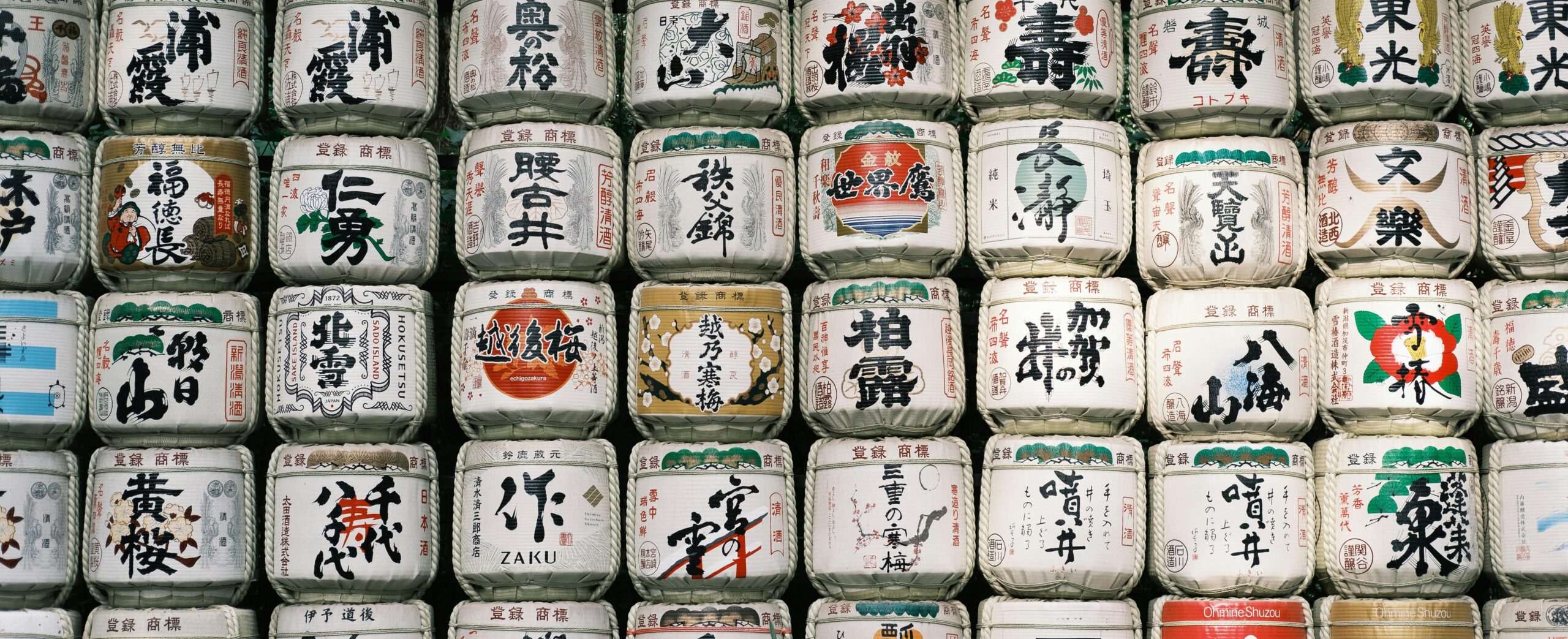
Sake tasting is one of the most enjoyable ways to experience Japan’s food culture, especially for first-time visitors who want to discover new flavors beyond the usual restaurant menu. You may know that it is Japan’s most famous traditional drink, but once you sit down at a restaurant or izakaya, the menu can be hard […]
Best Breakfast in Kyoto 2026: Japanese Sets & Morning Cafes
Breakfast in Japan is often a thoughtful and balanced meal that sets the tone for the day. Traditional Japanese breakfasts typically feature a variety of small, flavorful dishes designed to offer a harmonious combination of flavors, textures, and nutrients. These meals often include steamed rice, miso soup, grilled fish, and pickled vegetables. For travelers, breakfast […]