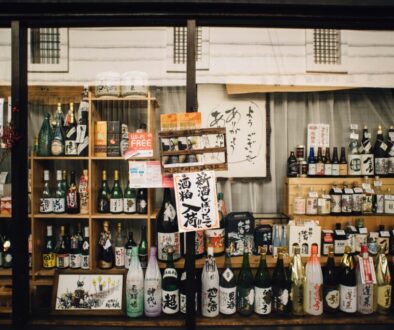
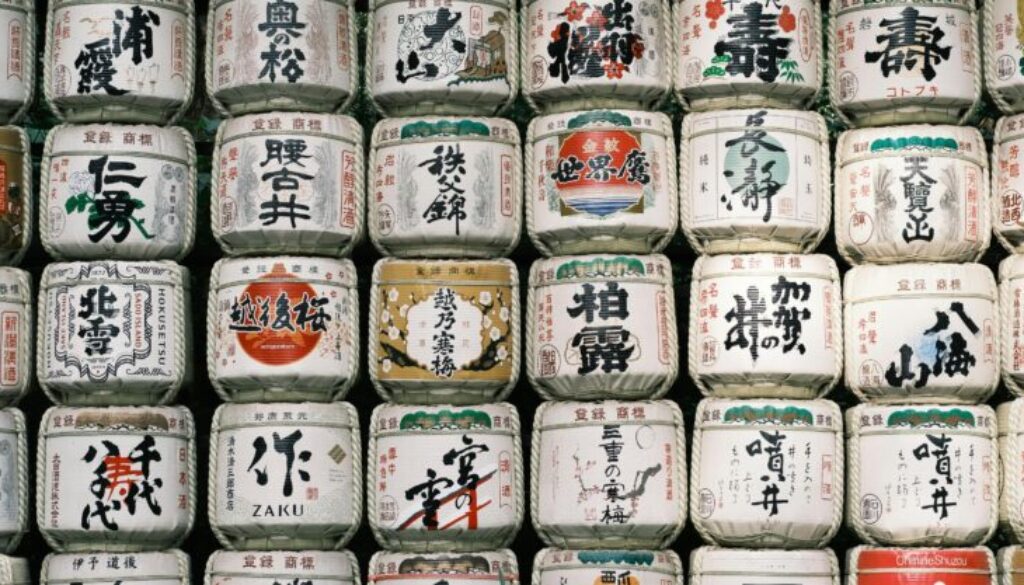
Sake tasting is one of the most enjoyable ways to experience Japan’s food culture, especially for first-time visitors who want to discover new flavors beyond the usual restaurant menu.
You may know that it is Japan’s most famous traditional drink, but once you sit down at a restaurant or izakaya, the menu can be hard to understand. Should you order it hot or cold? What is the difference between dry and sweet sake? Which type goes best with sushi, grilled meat, or fried food?
That is why Tokyo is one of the best places to start. The city brings together sake from all over Japan, making it easy for travelers to try different styles without visiting several brewery regions. From casual izakayas and small sake bars to guided tasting experiences, Tokyo gives beginners a chance to compare flavors, learn the basics, and enjoy sake with Japanese food in a relaxed way.
This guide is designed for first-time visitors who want to understand sake before trying it in Tokyo. We will cover why Tokyo is a great place for sake tasting, the basic types of sake to know, how sake pairs with food, and what to expect from a beginner-friendly tasting experience.
Why Tokyo Is the Best Place for Sake Tasting
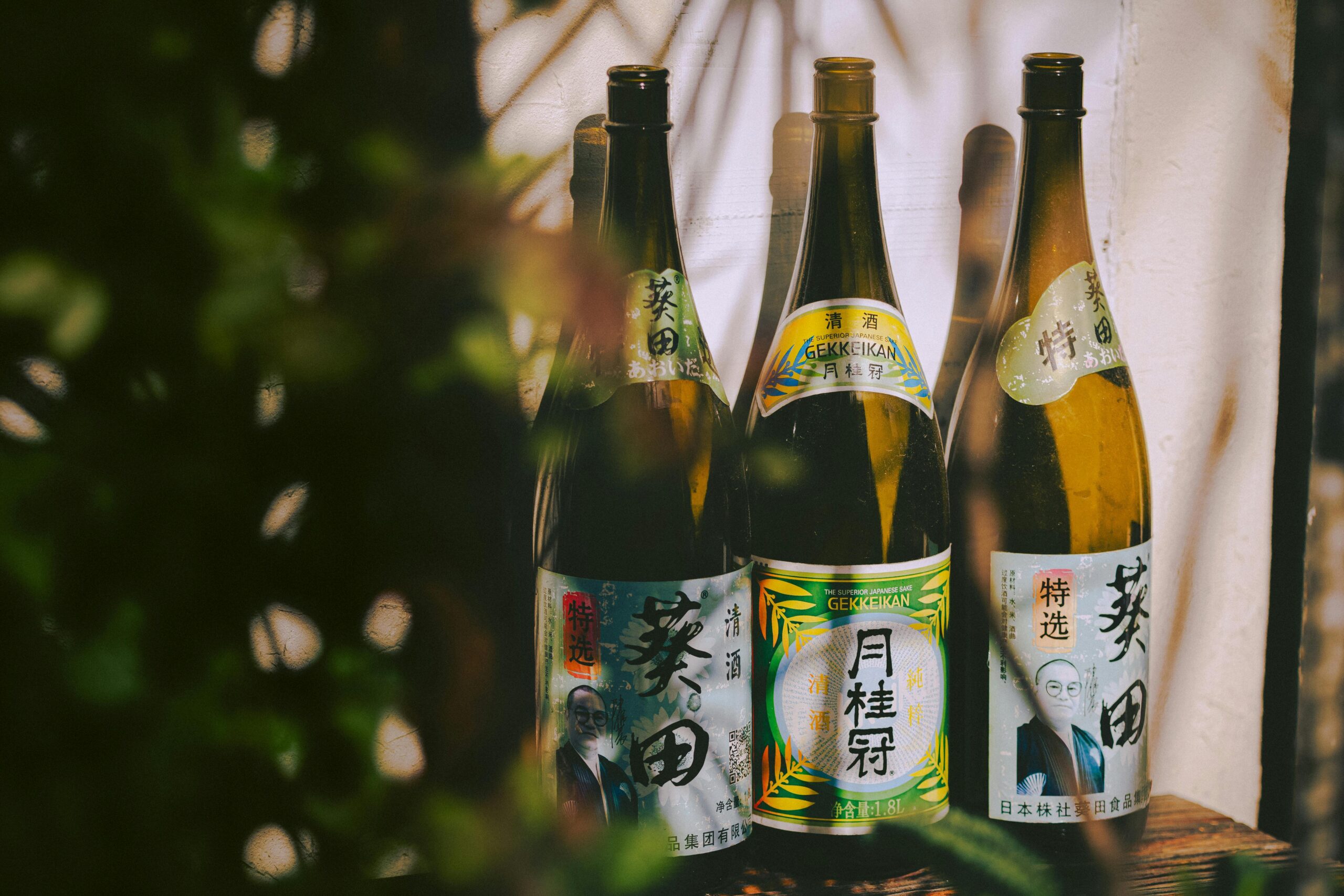
One of the best things about sake tasting in Tokyo is the variety. Because Tokyo is a major dining and travel hub, it brings together sake from breweries across Japan. Instead of visiting several sake-producing regions, first-time visitors can compare different styles in one city.
Tokyo is also a great place to discover your own sake palate. Everyone has different preferences. Some people enjoy clean and dry sake, while others prefer something fruity, smooth, rich, or slightly sweet. Sake tasting experiences in Tokyo often include small pours, tasting flights, and food pairings, which help you understand what you actually enjoy instead of guessing from a menu.
It is also easy to fit sake tasting into a Tokyo itinerary. You can enjoy it before dinner, as part of a night out, through various sake tasting tours, or alongside izakaya dishes in areas like Shinjuku, Ueno, Ginza, or Yurakucho.
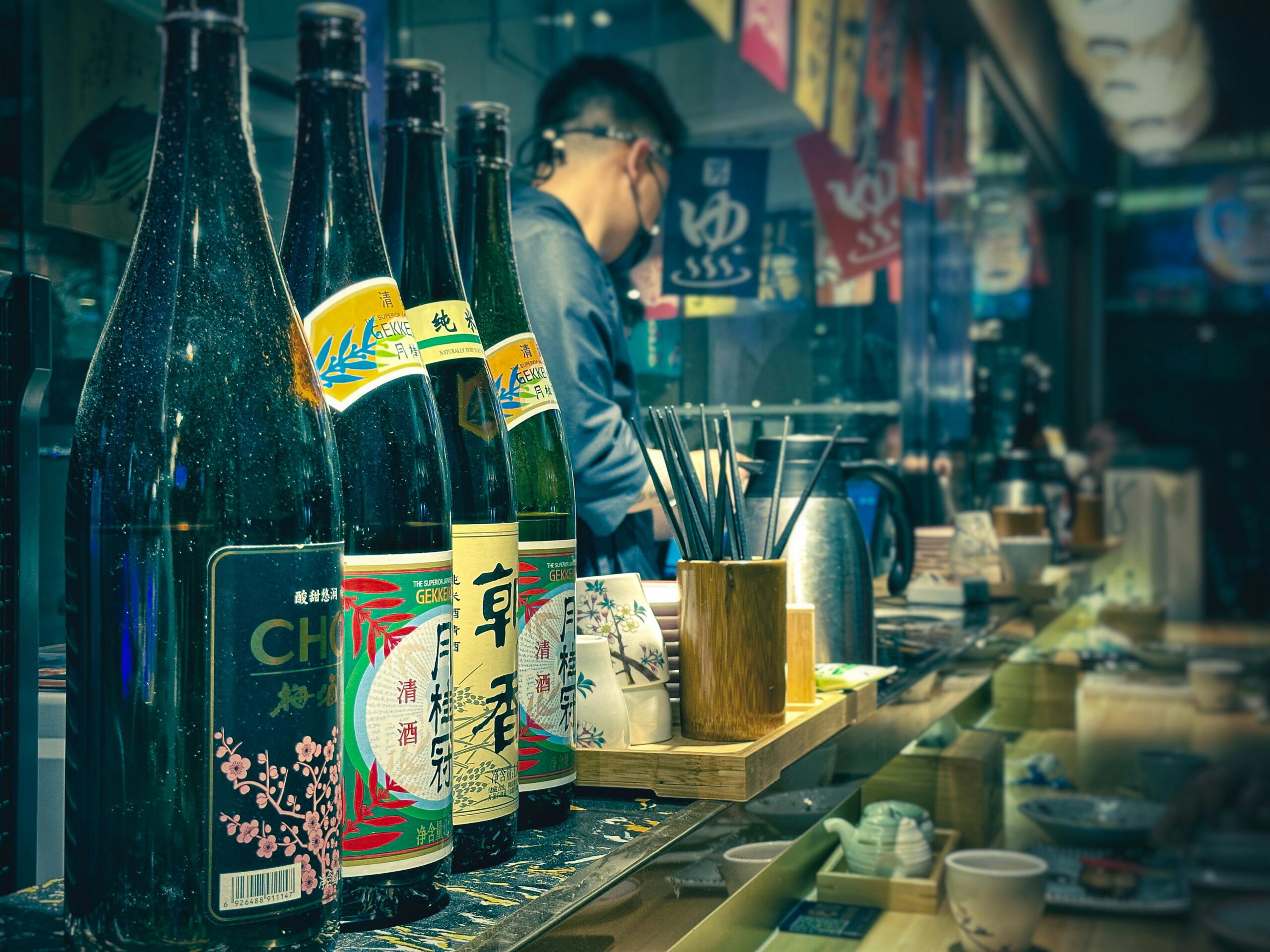
Basic Sake Types First-Time Visitors Should Know
When you first look at a sake menu, the names can feel confusing. Many sake terms describe how the sake is made, especially how much the rice has been polished and whether alcohol has been added. You do not need to memorize every detail, but understanding a few basic words will make sake tasting in Tokyo much easier.
Junmai – means “pure rice.” This type of sake is made with rice, water, yeast, and koji, without added brewer’s alcohol. Because of that, junmai sake often has a richer, fuller, and more rice-forward flavor. It can feel savory, earthy, or slightly bold, which makes it a good match for grilled foods, izakaya dishes, and richer Japanese flavors.
Junmai ginjo – “Junmai” means no added brewer’s alcohol, and “ginjo” means the rice has been polished to 60% to create a more refined, aromatic style. So junmai ginjo usually has a nice balance: it can be smooth and fragrant, but still have some rice richness and depth.
Junmai daiginjo is daiginjo-style sake made without added brewer’s alcohol. It is usually one of the more polished and refined styles, 50% or more polishing, while still keeping the pure-rice character of junmai sake. Many people think of it as a special occasion sake because it can be fragrant, smooth, and beautifully balanced.
Nigori – means “cloudy.” This sake is lightly filtered or not filtered, so some rice particles remain in the bottle. That gives it a cloudy appearance and a slightly creamy texture. Nigori can taste sweeter or softer than other sake styles, which makes it approachable for many first-time drinkers.
Warm sake (atsukan) – this is not a separate type of sake, but a serving style. Some sake tastes better chilled, while others become softer and more comforting when warmed. Richer styles and flavors can work especially well when warm, particularly with casual dishes like yakitori, grilled fish, or hot pot.
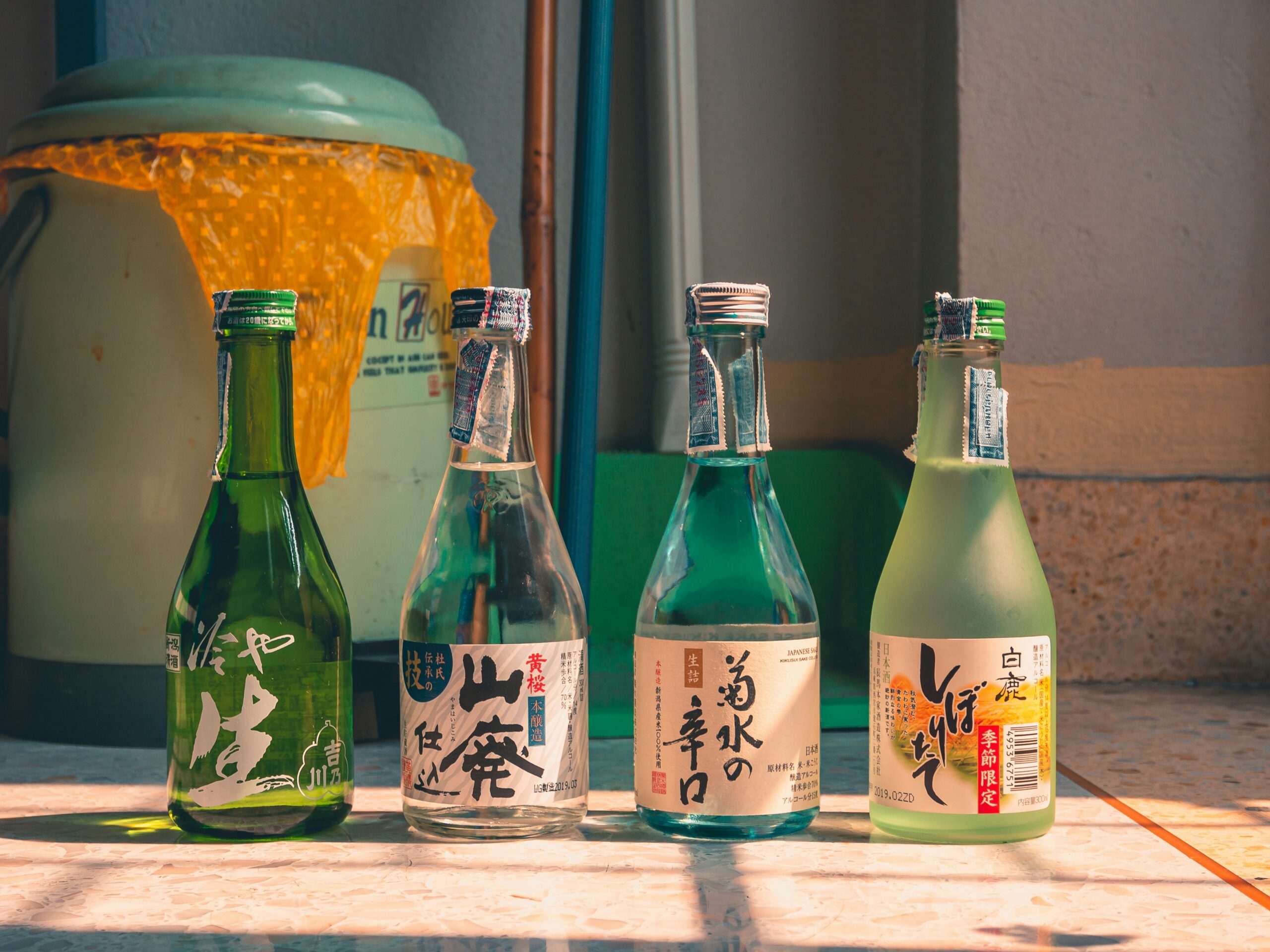
How to Taste Sake Like an Expert
Sake tasting does not have to be complicated. The best way to start is with lighter, cleaner sake before moving on to richer or stronger styles. This helps your palate adjust gradually, so you can notice the differences instead of feeling overwhelmed from the first sip.
Before drinking, take a moment to smell the sake. Some sake has gentle fruit or floral notes, while others smell more like rice, herbs, or steamed grains. Then take a small sip and think about a few simple things: Is it dry or slightly sweet? Is it light or full-bodied? Does it feel smooth, crisp, rich, or refreshing?
One of the most interesting parts of sake tasting is trying it with food. A sake that tastes simple on its own may become more flavorful with grilled fish, yakitori, sashimi, tempura, or other Japanese dishes. The same sake can feel cleaner, softer, richer, or more balanced depending on what you eat with it.
Most importantly, you do not need to be a sake expert to enjoy the experience. Sake tasting is not about finding the “correct” answer. It is about discovering your own preferences and learning which styles you would want to order again.
If you are interested in learning more about sake or about the history of sake, please check out this Official Kyoto City Travel website!
Choosing Sake and Food Pairings
One of the best ways to understand sake is to taste it with food. Sake can change depending on what you eat with it, and the right pairing can make both the drink and the dish more enjoyable. A sake that feels sharp on its own may become smoother with food, while a mild sake may taste more flavorful when paired with the right dish.
Seafood is one of the classic pairings. Clean and crisp sake can work well with sashimi, sushi, grilled fish, and shellfish because it does not overpower the delicate flavors. It can also help refresh your palate between bites.
Richer sake can be a good match for grilled meat, yakitori, wagyu, and savory izakaya dishes. These foods often have smoky, salty, or umami-rich flavors, so they need a sake with enough depth to stand up to them.
Fried foods like tempura, karaage, and tonkatsu can pair well with dry or refreshing sake. The sake helps cut through the oil and keeps the meal from feeling too heavy.
Other Japanese foods, such as pickles, miso, tofu, and seasonal small plates, can also bring out different sides of sake. This is why a guided sake tasting with food can be so helpful for beginners. Instead of only learning what sake tastes like by itself, you can experience how it changes with different flavors.
Best Places to Try Sake in Tokyo
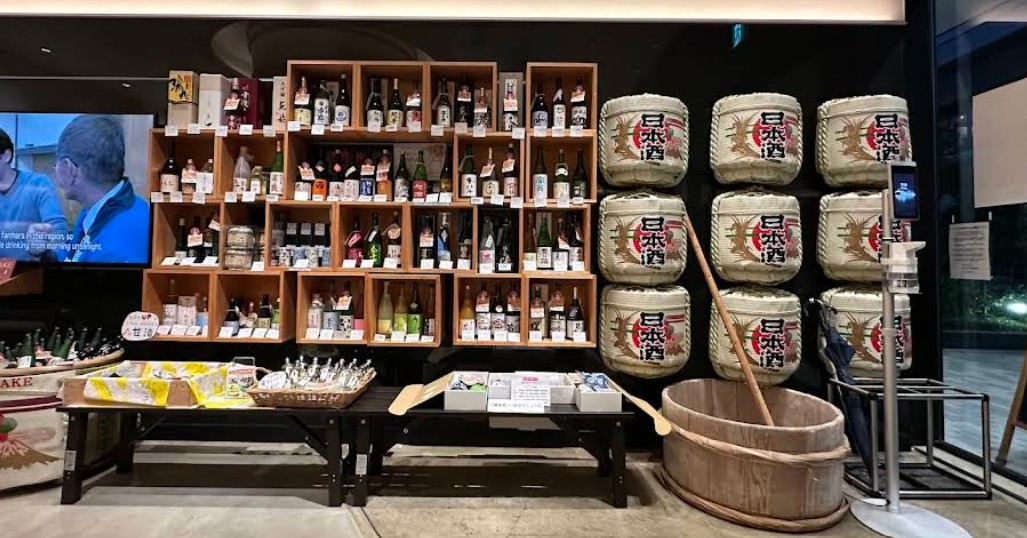
Japan Sake and Shochu Information Center Toranomon
The Japan Sake and Shochu Information Center is one of the best places in Tokyo for complete beginners. Run by the Japan Sake and Shochu Makers Association, it is designed to help visitors learn about sake, shochu, and awamori in a relaxed and educational setting. It feels less like a bar and more like an introduction to Japanese drinking culture, which makes it a good first stop before trying sake at restaurants or izakayas.
- Offers tastings of sake, shochu, and awamori
- Good for learning the basics before ordering sake elsewhere
- Includes educational displays about brewing tools and production
- Beginner-friendly and low-pressure
- English-friendly and easy for tourists to visit
- Best for travelers who want to understand sake, not just drink it
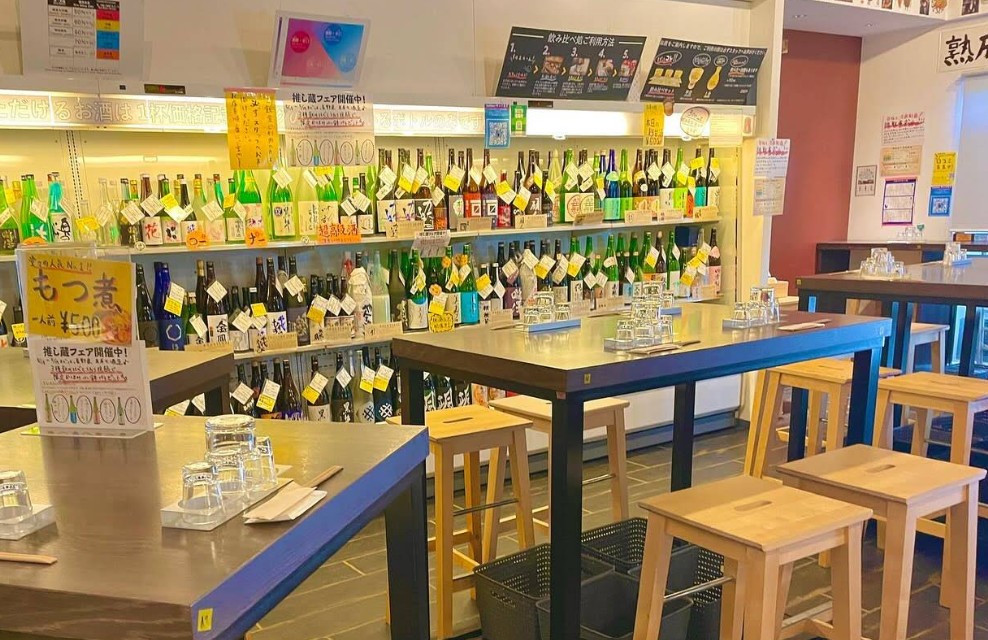
Meishu Center Ochanomizu
Meishu Center is a great choice for visitors who want to compare many different types of sake in one place. With more than 100 bottles from across Japan, it gives beginners the chance to taste small pours and start discovering their own sake palate. The casual style and affordable tastings make it easy to try several varieties without feeling committed to a full glass or bottle.
- Offers a wide selection of sake from different regions of Japan
- Tastings are available by the glass, with some starting from around 200 yen
- Tasting sets are available for comparing styles side by side
- Good for discovering whether you prefer dry, fruity, rich, or lighter sake
- Affordable and casual
- Best for people who want variety and palate discovery
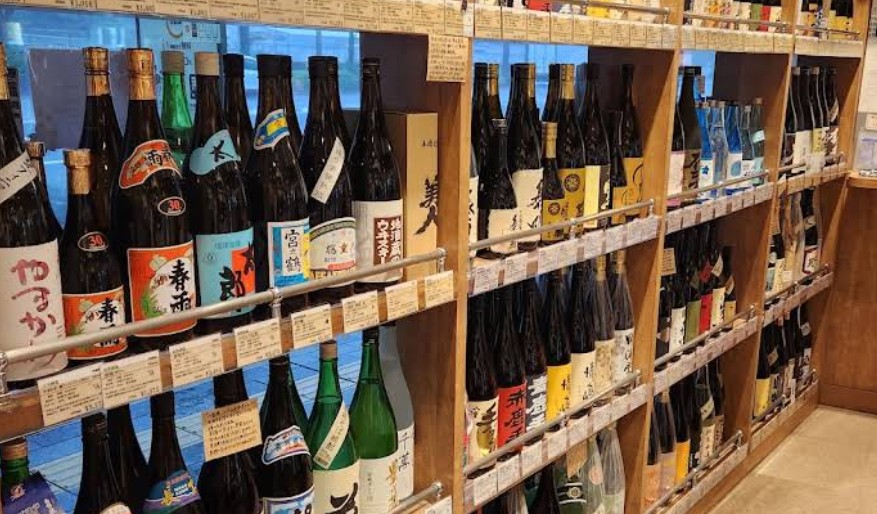
Ginza Kimijimaya Ginza
Ginza Kimijimaya is a long-running sake shop with a casual standing bar, making it a good option for travelers who want a short and easy sake stop. Since it is located in Ginza, it is convenient for visitors exploring Tokyo Station, Tsukiji, or the Ginza shopping area. It is a nice place to sample sake without planning a full tasting experience.
- Offers casual sake sampling at a standing bar
- Good for trying several kinds of sake in a short visit
- Tasting sets may be available on weekends
- Convenient location near Ginza, Tokyo Station, and Tsukiji
- Less formal than a guided tasting
- Best for travelers who want a quick and casual sake experience
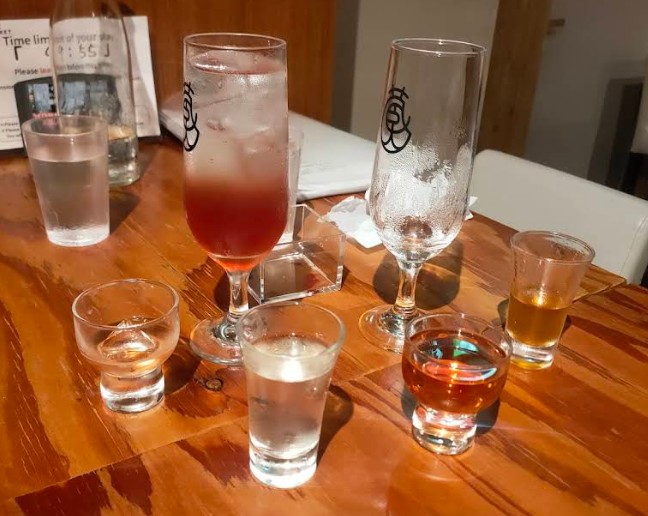
SAKE MARKET Akihabara
SAKE MARKET is a good option for travelers who want a relaxed, self-guided tasting experience. It offers a large selection of sake, shochu, fruit liqueurs, and other drinks, making it fun for groups or visitors who want to sample many styles casually. It is less educational than a guided tasting, but it is approachable and easy to enjoy.
- Offers many types of sake and Japanese drinks
- Known for all-you-can-taste style plans
- Good for groups or casual drinkers
- Lets visitors compare many styles at their own pace
- Easy to combine with Akihabara sightseeing
- Best for travelers who want variety in a relaxed setting
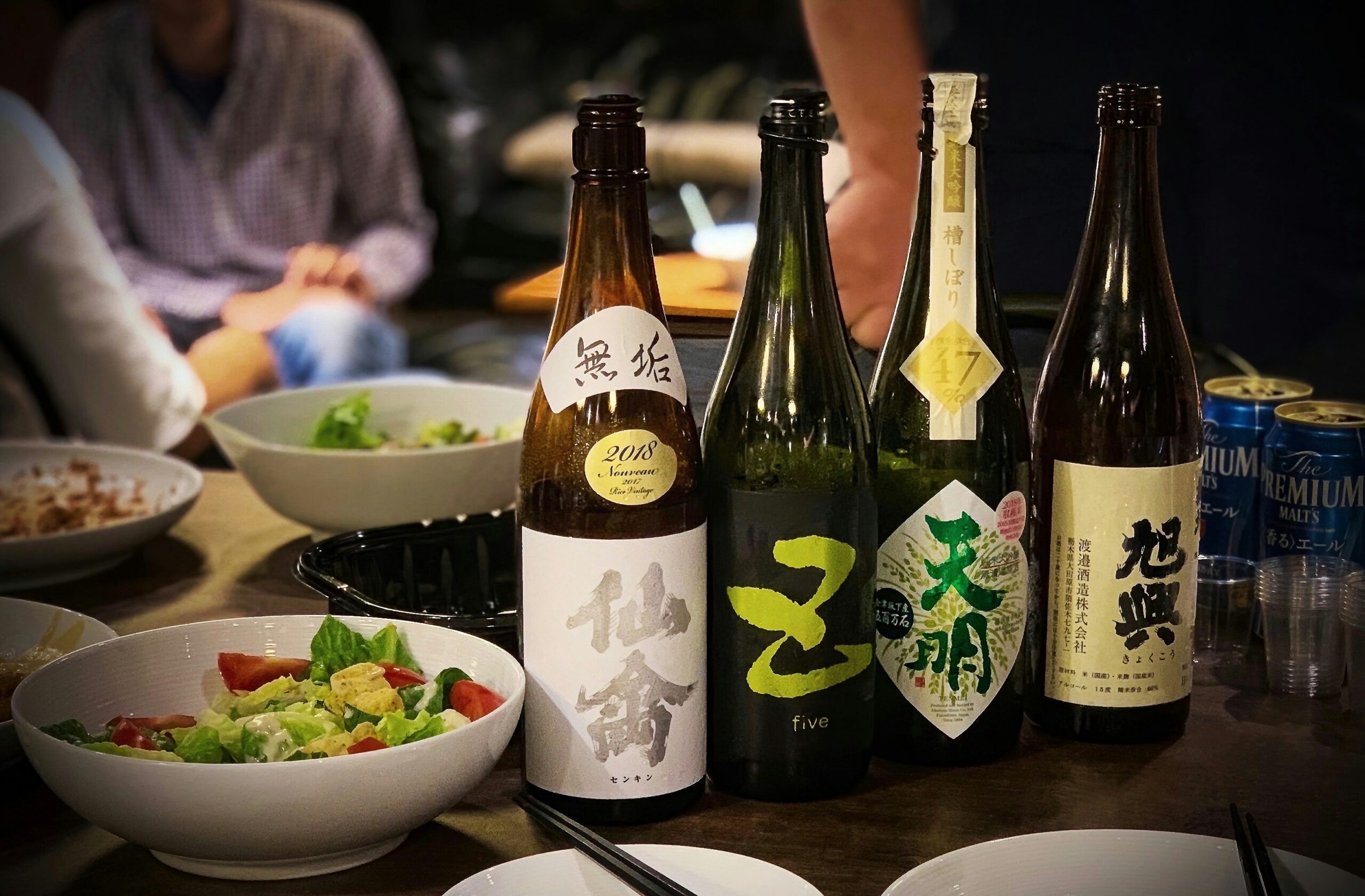
Sake Etiquette First-Time Visitors Should Know
Sake is easy to enjoy once you know a few basic tips. You do not need to follow strict rules, but understanding simple etiquette can make the experience feel more comfortable, especially if you are drinking sake at an izakaya, restaurant, or guided tasting in Tokyo.
- Do not drink sake like a shot
Sake is meant to be sipped slowly. Take your time and notice how the flavor changes, especially when you drink it with different foods. - Try sake at different temperatures
Many first-time visitors think sake is always served hot, but some sake tastes best chilled, while other styles become softer and richer when warmed. - Do not assume all sake tastes the same
Sake can be dry, sweet, fruity, earthy, light, rich, smooth, or crisp depending on the style. This is why tasting several types side by side can be helpful for beginners. - Pouring for others is common
In many Japanese dining settings, people pour sake for each other rather than only pouring their own drink. You do not need to worry too much about formal rules, but it is a nice part of the shared dining experience. - Use the cup or glass provided
Sake may be served in small cups, wine glasses, or traditional vessels. Each one is normal depending on the setting and the style of sake. - Ask for recommendations
If you are unsure what to order, ask the staff or your guide for suggestions based on your taste or the food you are eating. - Do not choose only by price
A more expensive bottle is not always the best match for your taste. A simple, well-matched sake can often be more enjoyable than a premium sake chosen at random.
Check out the Japan Sake and Shochu Makers Association website for more information on sake etiquette.
Should You Join a Guided Sake Tasting in Tokyo?
A guided sake tasting is a great choice if you are new to sake and do not want to guess from a menu. It helps you understand the basic styles, flavors, regions, and food pairings in a much easier way.
It is especially useful in Tokyo, where there are so many types of sake available. Instead of ordering blindly, you can compare different styles side by side and learn what kind of sake you actually enjoy.
For an easy introduction, Ninja Food Tours offers a Tokyo Sake Tasting experience in Shinjuku with 6 different craft Japanese sake varieties, light snacks, and beginner-friendly explanations.
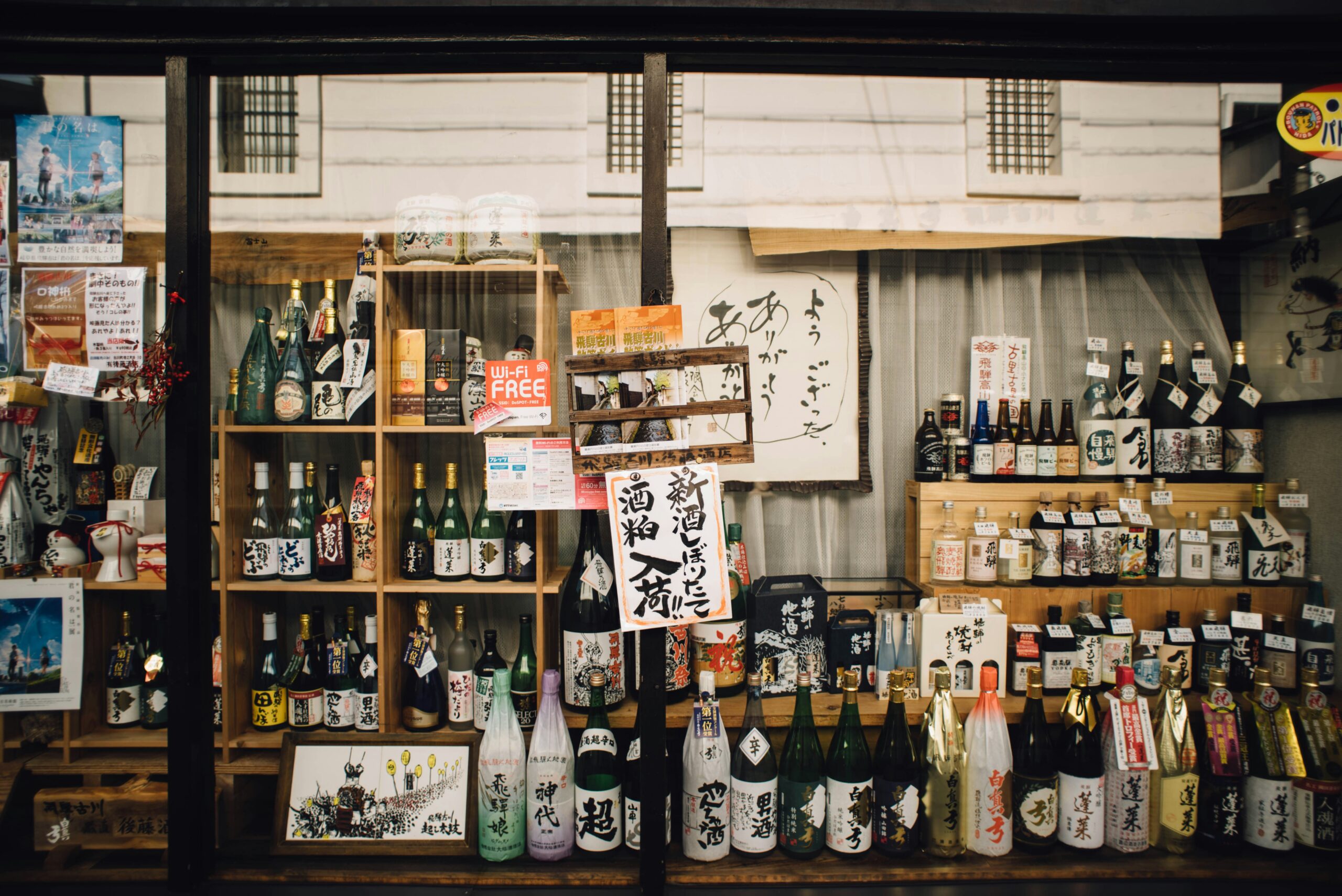
Sake tasting in Tokyo is one of the easiest and most enjoyable ways for first-time visitors to explore Japan’s drinking culture. With so many sake styles available in one city, you can compare different flavors, learn what you personally enjoy, and understand how sake pairs with Japanese food.
You do not need to be a sake expert to enjoy the experience. Start with a few basic styles, try them with different dishes, and ask for recommendations when you are unsure.
After exploring the sights near Tokyo, come visit incredible sightseeing locations across Kyoto! Make sure to check out our other blog posts, such as our guide to the Nishiki Market, the history of Fushimi Inari, and an itinerary for 3 full days in Kyoto.
We also run food tours in Kyoto, Tokyo, and Osaka, so be sure to put those on your itinerary when you come to Japan!
FAQ: Sake Tasting in Tokyo for First-Time Visitors
1. Is Tokyo a good place for sake tasting?
Yes, Tokyo is one of the best places for sake tasting in Japan because the city brings together sake from breweries across the country. Instead of traveling to different sake-producing regions, visitors can try a wide range of styles in one city, from clean and dry sake to fruity, rich, smooth, or slightly sweet varieties.
2. What is the best sake tasting experience in Tokyo for beginners?
The best sake tasting experience for beginners is one that includes small pours, simple explanations, and food pairings. A guided sake tasting in Tokyo is especially helpful because you can compare different sake styles side by side and learn how to order sake at restaurants, izakayas, and bars with more confidence.
3. What types of sake should first-time visitors try?
First-time visitors should try a few basic sake styles such as junmai, junmai ginjo, junmai daiginjo, nigori, and warm sake. Junmai is often richer and more rice-forward, while ginjo and daiginjo styles tend to be smoother and more aromatic. Nigori is cloudy and often slightly sweeter, making it approachable for many beginners.
4. Should sake be served hot or cold?
Sake can be served hot, cold, or at room temperature, depending on the style. Many premium and aromatic sake styles are served chilled, while richer or more savory sake can taste softer and more comforting when warmed. During a sake tasting in Tokyo, trying different temperatures is a great way to understand how sake changes in flavor.
5. What food pairs well with sake?
Sake pairs well with many Japanese foods, including sushi, sashimi, yakitori, tempura, grilled fish, wagyu, karaage, tofu, pickles, and izakaya-style small plates. Clean and crisp sake often works well with seafood, while richer sake can match grilled meats and savory dishes. Dry or refreshing sake can also help balance fried foods.
6. Do I need to know anything about sake before joining a tasting?
No, you do not need any sake knowledge before joining a Tokyo sake tasting. Beginner-friendly tastings are designed to help first-time visitors understand the basics, including flavor profiles, food pairings, serving temperatures, and simple sake etiquette. The main goal is to discover what kind of sake you personally enjoy.
Izakaya in Japan 2026: Etiquette, How to Order, and Not Stand Out
Push open a smoke-scented curtain, duck under a row of paper lanterns, and suddenly you’re in it: skewers hissing on the grill, someone slamming a glass down mid-laugh, a chorus of “kanpai!” erupting from the table behind you. This is peak Japan after dark, and for a few confusing minutes, you have absolutely no idea […]
The Ultimate Japanese Matcha Guide: Taste, Tradition and Travel in Japan
Few beverages have captured worldwide fascination quite like Japanese matcha. This finely ground green tea powder, known for its vivid color and earthy, umami-rich flavor, has made its way from traditional Japanese tea rooms to modern cafés and kitchens around the world. Whether you’re sipping a frothy matcha latte or whisking it ceremonially with a […]
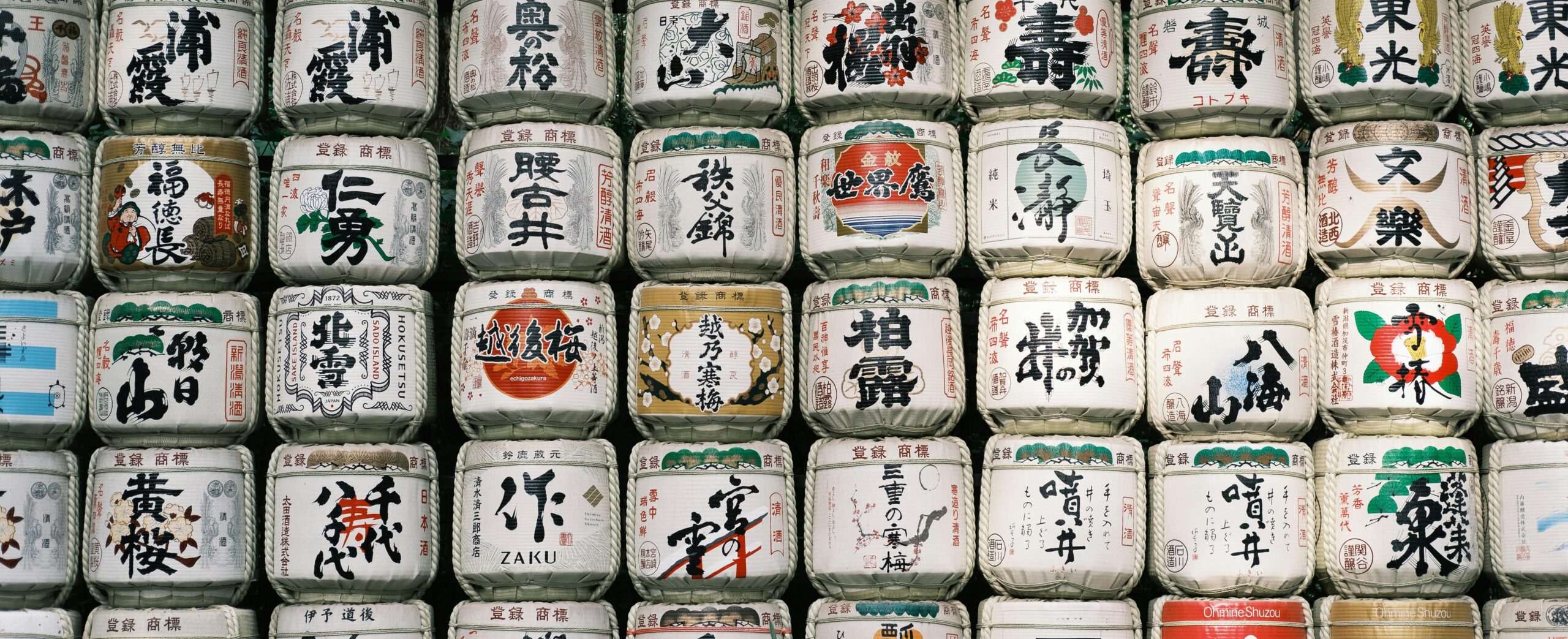
Sake Tasting in Tokyo: The Best Starting Point for First-Time Visitors
Sake tasting is one of the most enjoyable ways to experience Japan’s food culture, especially for first-time visitors who want to discover new flavors beyond the usual restaurant menu. You may know that it is Japan’s most famous traditional drink, but once you sit down at a restaurant or izakaya, the menu can be hard […]
Best Breakfast in Kyoto 2026: Japanese Sets & Morning Cafes
Breakfast in Japan is often a thoughtful and balanced meal that sets the tone for the day. Traditional Japanese breakfasts typically feature a variety of small, flavorful dishes designed to offer a harmonious combination of flavors, textures, and nutrients. These meals often include steamed rice, miso soup, grilled fish, and pickled vegetables. For travelers, breakfast […]