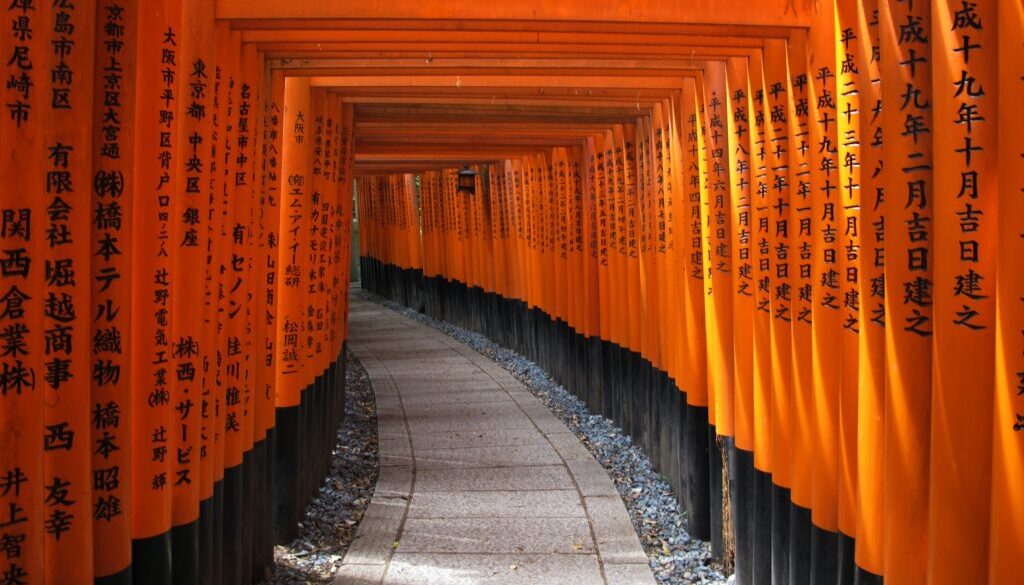
If you are visiting Kyoto in 2026, Fushimi Inari is probably already on your must-see list, and for good reason. Walking through the endless red torii gates of Fushimi Inari Shrine feels like stepping into one of Japan’s most iconic scenes, especially in the quiet early morning or just before sunset.
But Fushimi Inari Taisha is more than a photo stop. The shrine has deep spiritual roots, peaceful mountain trails, fox statues hidden throughout the grounds, and a surrounding neighborhood filled with local snacks, sweets, sake, and casual places to eat. Many visitors come for the gates and leave too quickly, missing the food and culture that make the area worth slowing down for.
In this guide, we’ll show you how to enjoy Fushimi Inari with more context, from the best time to visit and basic shrine etiquette to what to eat nearby.
And if you want to experience Kyoto through its food, join a Ninja Food Tours tour in Kyoto to learn the stories behind local ingredients, seasonal dishes, sake, and the food traditions that make the city so memorable.
The History of Fushimi Inari
The beginnings of the Fushimi area date back to as early as 711 CE, when the iconic Fushimi Inari Shrine was first established. The shrine was founded by the Hata clan, an immigrant group from the Korean Peninsula who had settled in the Kyoto basin during the Kofun period (300 – 538 CE). By the 6th or 7th century, the Hata clan became the dominant force in the region as it first entered recorded history.
The Hata clan’s expertise in farming, especially rice cultivation, played a key role in the development of the region’s agricultural practices. Additionally, the clan promoted religious rituals related to Inari, a deity associated with rice, agriculture, and prosperity.
It is believed that the Hata clan established the Fushimi Inari Shrine to honor Inari, seeking to ensure prosperity and success for the local farmers.
More than 80 years after the shrine’s founding, Kyoto became the capital of Japan. As the capital city, Kyoto attracted people from all over the country, establishing itself as Japan’s urban center. This period marked the establishment of key trade routes and the rapid development of a bustling city.
Flowing from neighboring Lake Biwa through Fushimi, the Uji River became a vital route for transportation and trade, connecting Fushimi, and by extension, Kyoto, with other regions of Japan. Its strategic location cemented Fushimi as an important hub for commerce.
After the unification of Japan in the late 1500s, Hideyoshi Toyotomi constructed a castle in Fushimi. He transformed the Fushimi area into a port and strategically built this castle as the gateway to Kyoto.
Visitors flocked to Fushimi in larger numbers than ever before, transforming the area from predominantly farmland into a thriving food hub with numerous renowned sake breweries.
Fushimi Inari Taisha
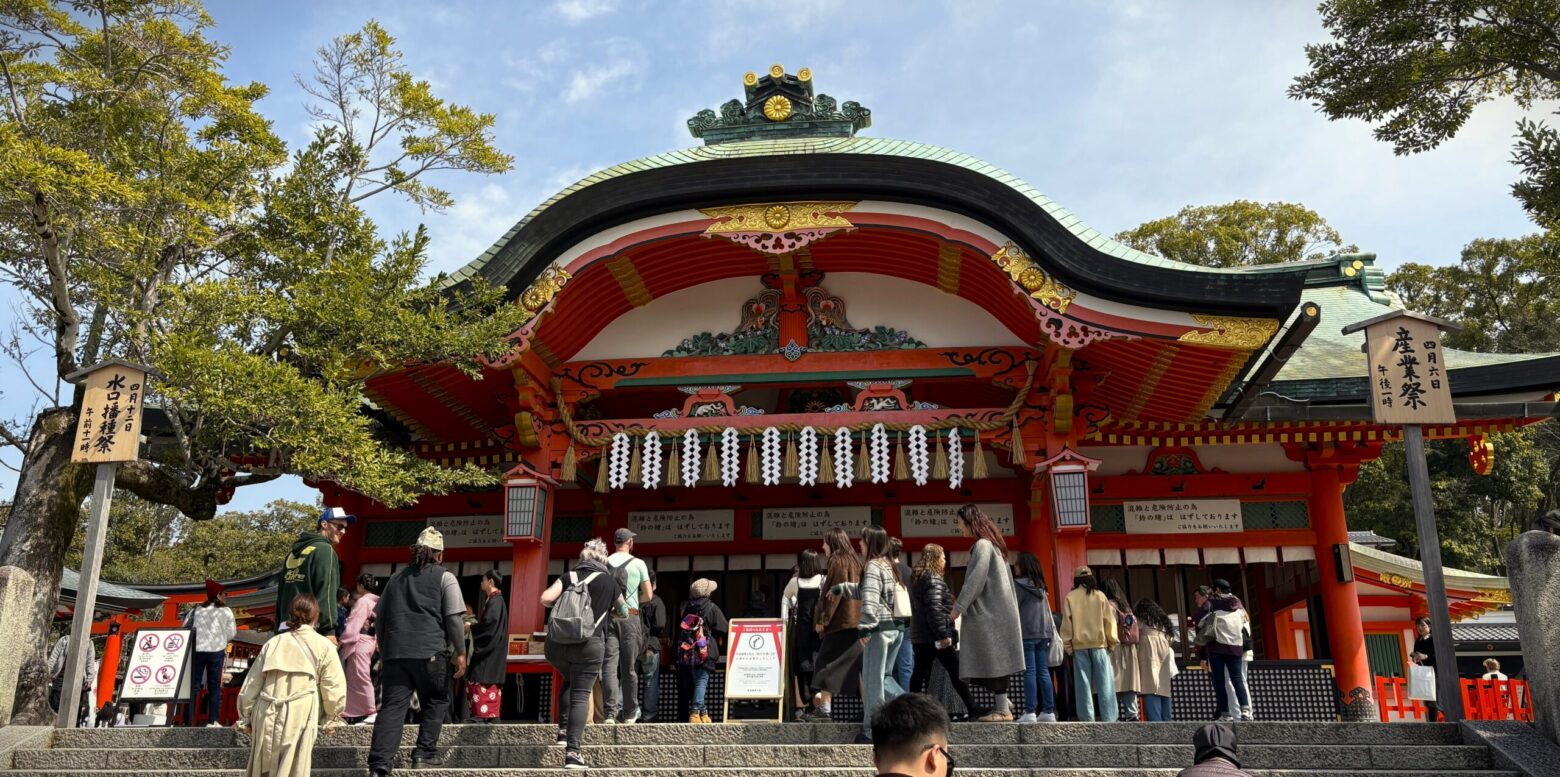
The main attraction of Kyoto’s Fushimi area is undoubtedly the iconic Fushimi Inari Taisha. Being one of Japan’s most sacred Shinto shrines, it is a location that holds significant historical importance. Along with that, its eye-catching 10,000+ vermilion torii gates draw both domestic tourists and overseas tourists to it, making it one of the most visited shrines in all of Japan.
But how exactly did this shrine become so world-renowned? And what is the purpose of it? Let’s explore a bit about the history and cultural significance of Fushimi Inari Taisha.
Fushimi Inari Taisha is dedicated to Inari, the deity of rice, agriculture, and prosperity. When Fushimi was only farmland, many people would come pray here for a good rice harvest. Nowadays, it is closely related to prosperity of business, and many businessmen go there to pray for good business.
Today, the shrine is most known for its thousands of vermilion torii gates that create mesmerizing paths leading up Mount Inari, the mountain the shrine is built atop. These torii gates, donated by individuals and businesses, are inscribed with the names of the donors, and can cost upwards of $10,000+ USD. It is said that donating to the shrine for a torii gate will lead your company to prosperity. However, owning a torii gate is only for those who are devout believers.
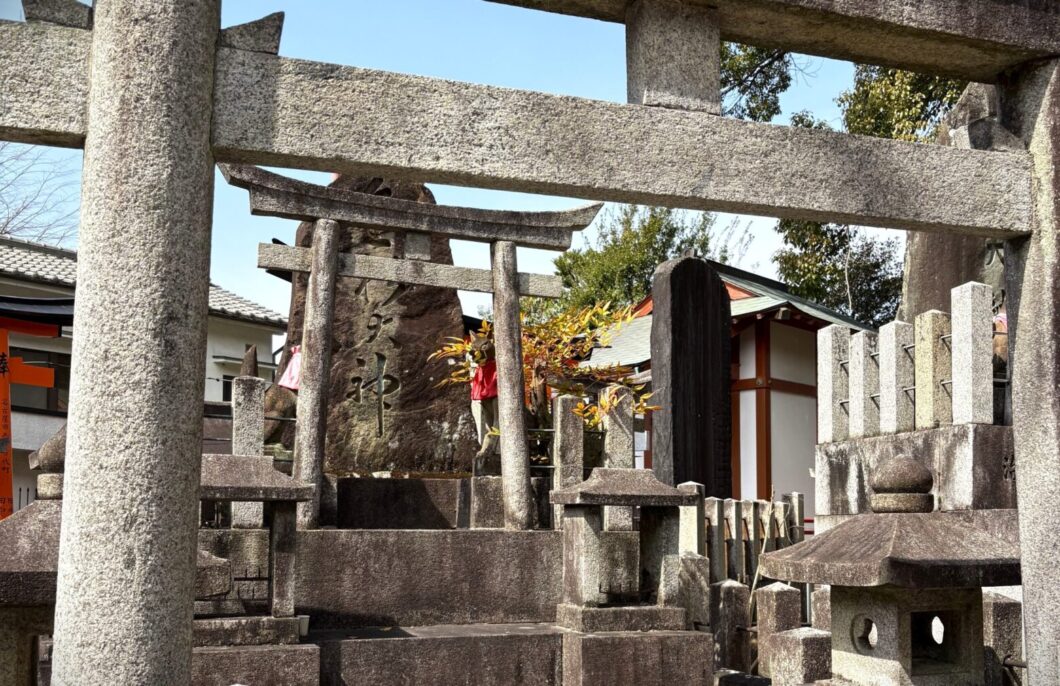
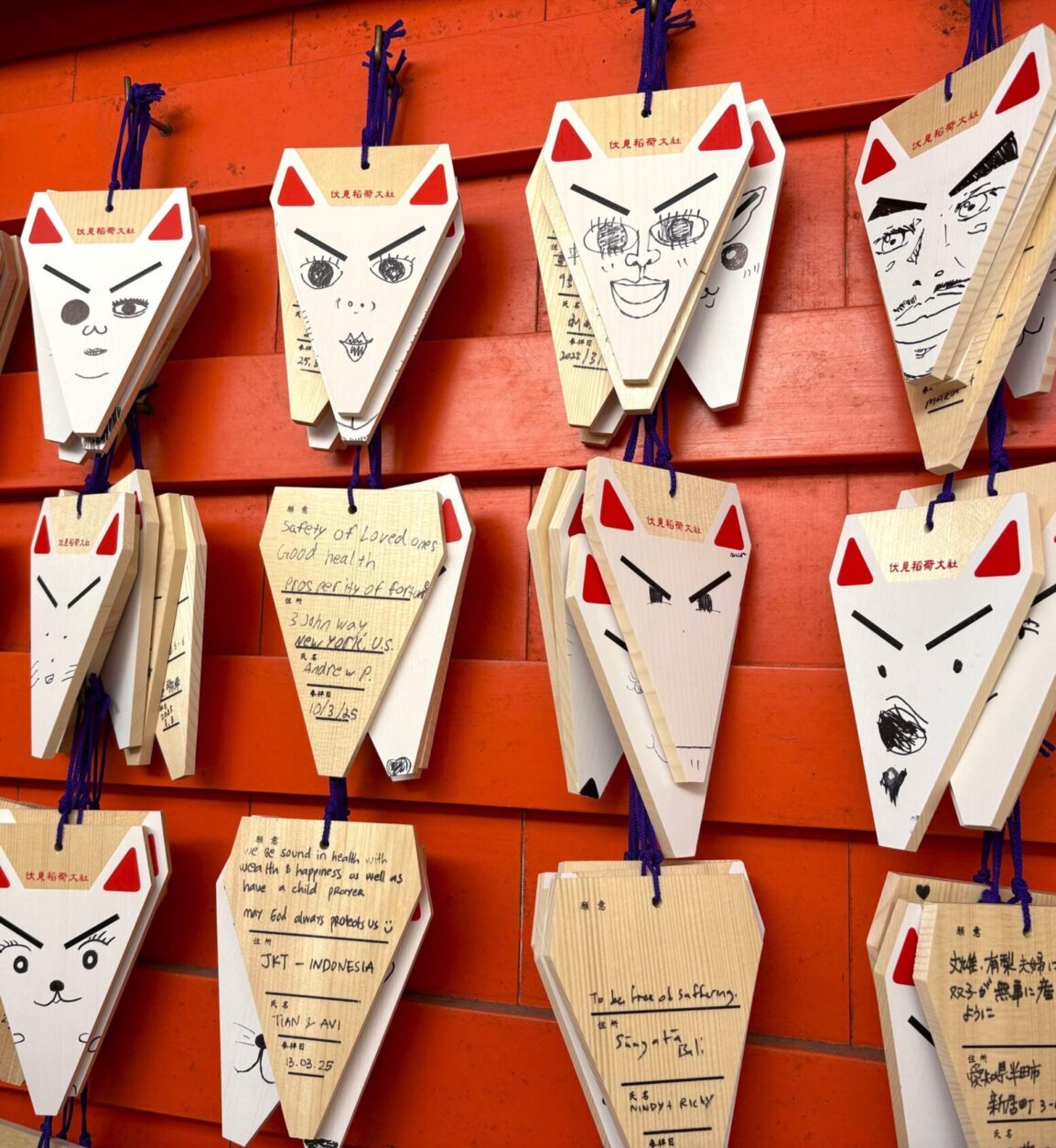
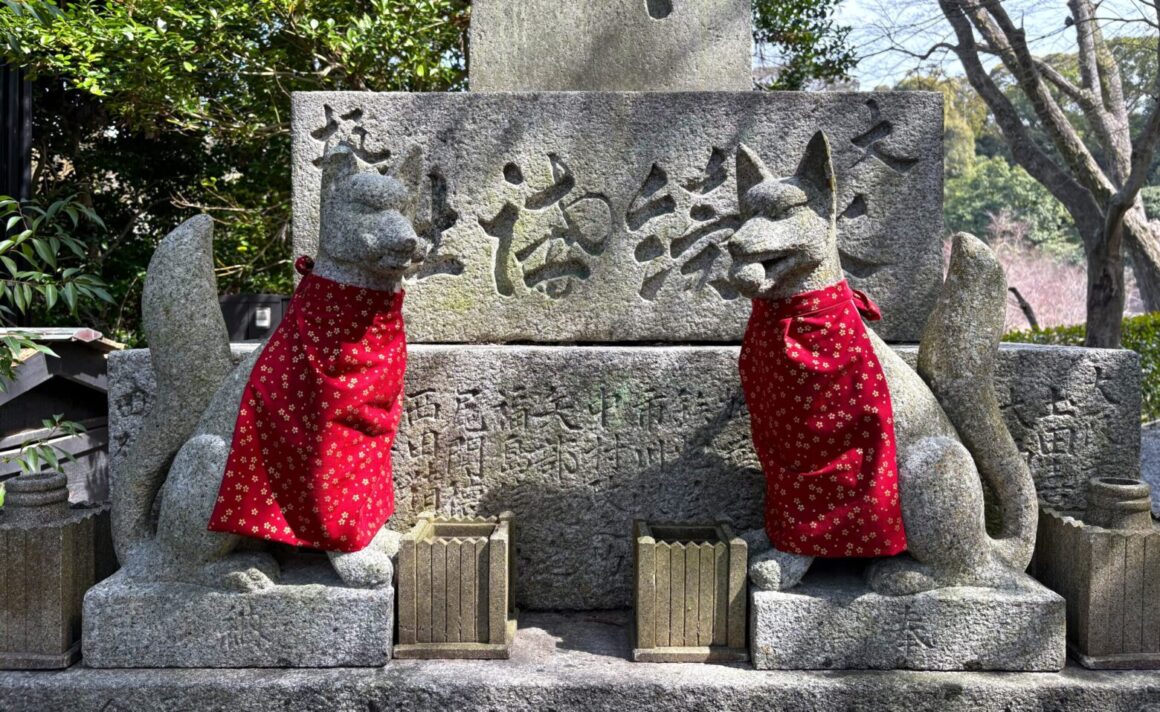
The journey up Mount Inari takes you through beautiful wooded trails, where smaller inari shrines, statues of foxes, or kitsune (the messengers of Inari), and a breathtaking view of Kyoto await. If you are planning on climbing Mount Inari, we recommend that you go up to the beautiful vista outlook about two-thirds up the mountain. The top of Mount Inari is not very exciting, unfortunately, as it does not have nice vistas nor any interesting sights. It is nice to get to tell your friends and family that you went up to the top, though!
Japan's Shinto Shrine Etiquette
Want to learn some basic shrine etiquette before heading to this spiritual destination? Here are some pointers:
Please refrain from talking loudly in the shrine. It is a place of peace and tranquility for those coming to worship.
Do not take pictures of the inside of the shrines. They are places of worship and need to be respected as such. (There are usually signs that say no pictures, please look for those.)
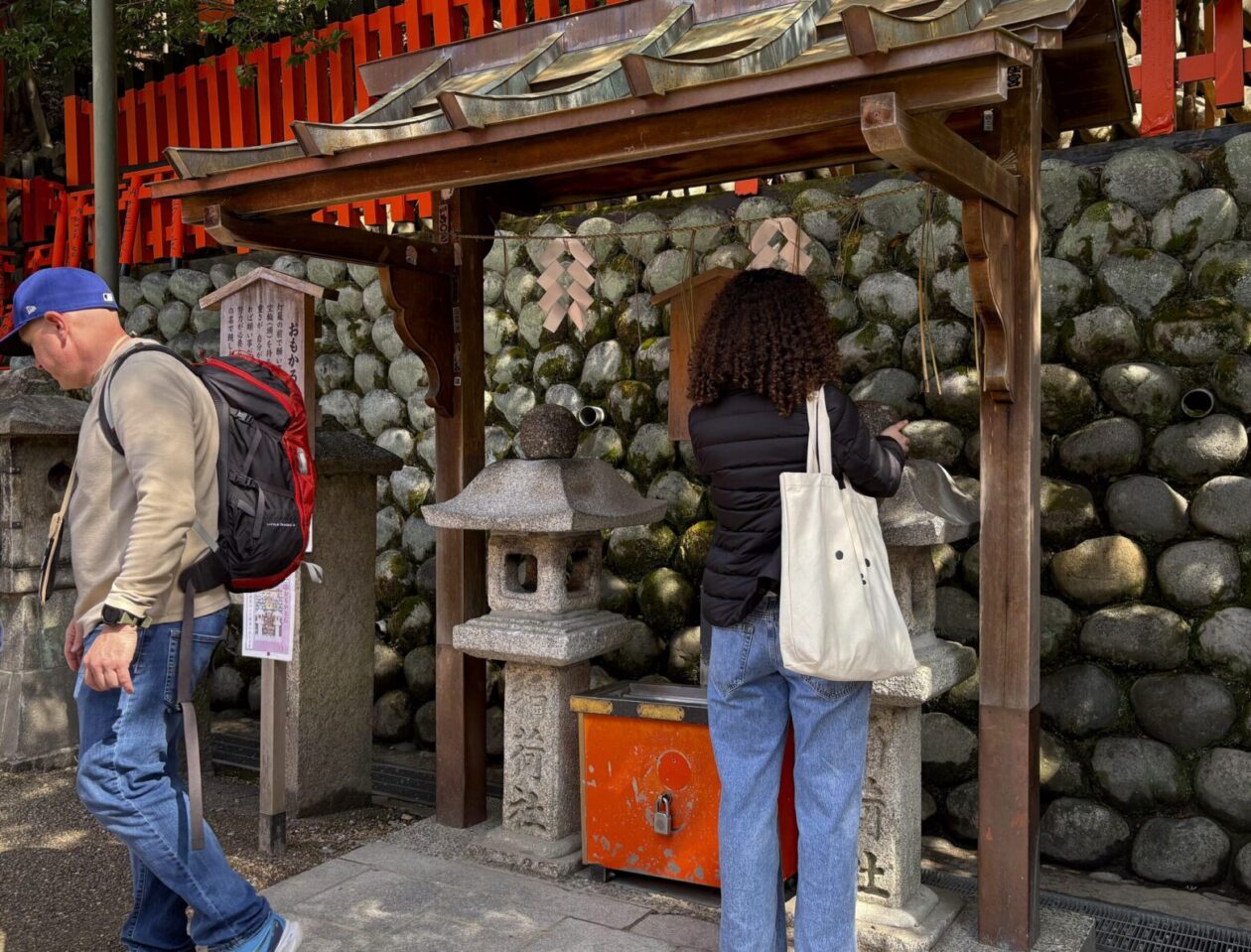
Before 2020, it was common to wash your hands and mouth in a small basin of flowing water located toward the entrance of the shrine. This is to purify yourself before walking on sacred grounds. Some shrines still allow you to do this, but most water basins are simply for aesthetics.
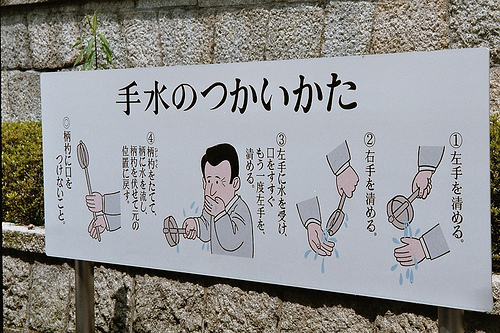
If a shrine does allow you to use the water basin to wash your hands and mouth, please do as follows:
-Take a ladle and fill it with water. First, pour some water on your left hand, and then pour some on your right hand.
-Next, pour some water into your left hand and use that water to clean your mouth. Don’t swallow the water, but spit it out onto the ground below (Please avoid putting water back into the basin!).
-Finally, rinse the ladle handle by tipping the ladle vertically and letting the remaining water run down the handle. Make sure the water falls onto the ground and NOT back into the basin! The water in the basin must remain pure for others.
That’s it! If you run out of water in the ladle during this, please take more from the basin and continue purifying yourself.
Finally, please take a look at this website that teaches you how to pray at a shrine.
And check here for more rules for Fushimi Inari Taisha.
When to Visit Fushimi Inari 2026
Fushimi Inari is one of Kyoto’s top destinations for tourists, so avoiding going there during the peak hours is key to enjoying its serene and peaceful atmosphere.
As most shrines in Japan don’t have closing hours and are free to enter, you can go to Fushimi Inari at any point in the day or night! We recommend going in the early morning, between 6 or 7 am, for the best experience. You will dodge the crowds and spend a quiet morning amongst the beautiful nature atop Mount Inari.
Some people prefer going later in the evening or at night. I also recommend going up the mountain just before sunset, so that when you hit the vista two-thirds of the way up you can see a beautiful view of the sun setting over Kyoto.
However, we do not recommend going after dark. Although there are some lights on the trail up Mount Inari, it is very dark and can be dangerous if you are not careful. Also, it is hard to fully enjoy the beautiful nature of this area when it is so dark.
The most popular time of year tourists visit Fushimi Inari is spring (March–May) and fall (October–November) due to cherry blossoms and autumn foliage. For fewer crowds, visit in winter (December–February).
For more information on Fushimi Inari Taisha, please visit their official site: https://inari.jp/en/
Where to Eat Near Fushimi Inari 2026
When exploring Fushimi Inari’s sacred grounds, not only the beauty of the torii gates await you, but also the charm of the surrounding area, which is filled with traditional food stalls and cozy restaurants, making Fushimi Inari a perfect blend of cultural and gastronomic wonders.
Let’s take a look at some restaurants and cafes we recommend checking out when in the Fushimi Inari area:
—————
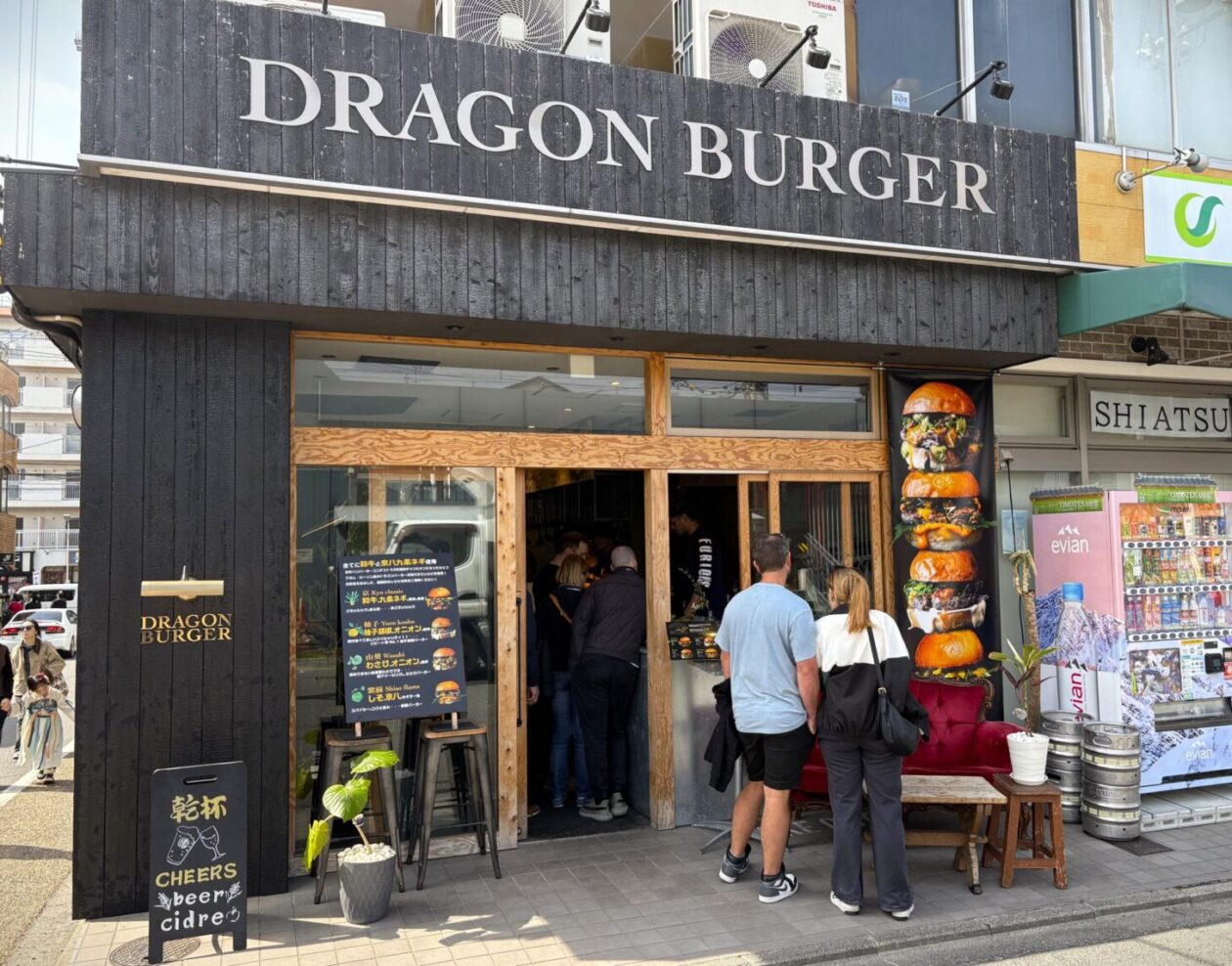
Dragon Burger Fushimi Inari Shop
Who doesn’t like a good burger? At Dragon Burger, they offer four Kyoto-inspired burgers to sink your teeth into, including yuzu burgers and shiso burgers!
Using local vegetables and wagyu beef, their high-quality burgers are sure to please everyone.
Dragon Burger: https://maps.app.goo.gl/HfACKtRvW4JvGD5Y8
—————
Niku no Odakichi
Looking for some meat? Why not try Niku no Odakichi, a restaurant specializing in all things beef right next to Fushimi Inari! They have various kinds of beef bowls and beef hot pots, which is perfect for an after-hike meal.
Fushimi Inari is the perfect place to have their inari beef bowl. It consists of delicious simmered beef and a sweet and savory aburaage (deep-fried tofu pocket) for the perfect combination!
Niku no Odakichi: https://maps.app.goo.gl/Z1gpUVWtPFsgiqgQA
—————
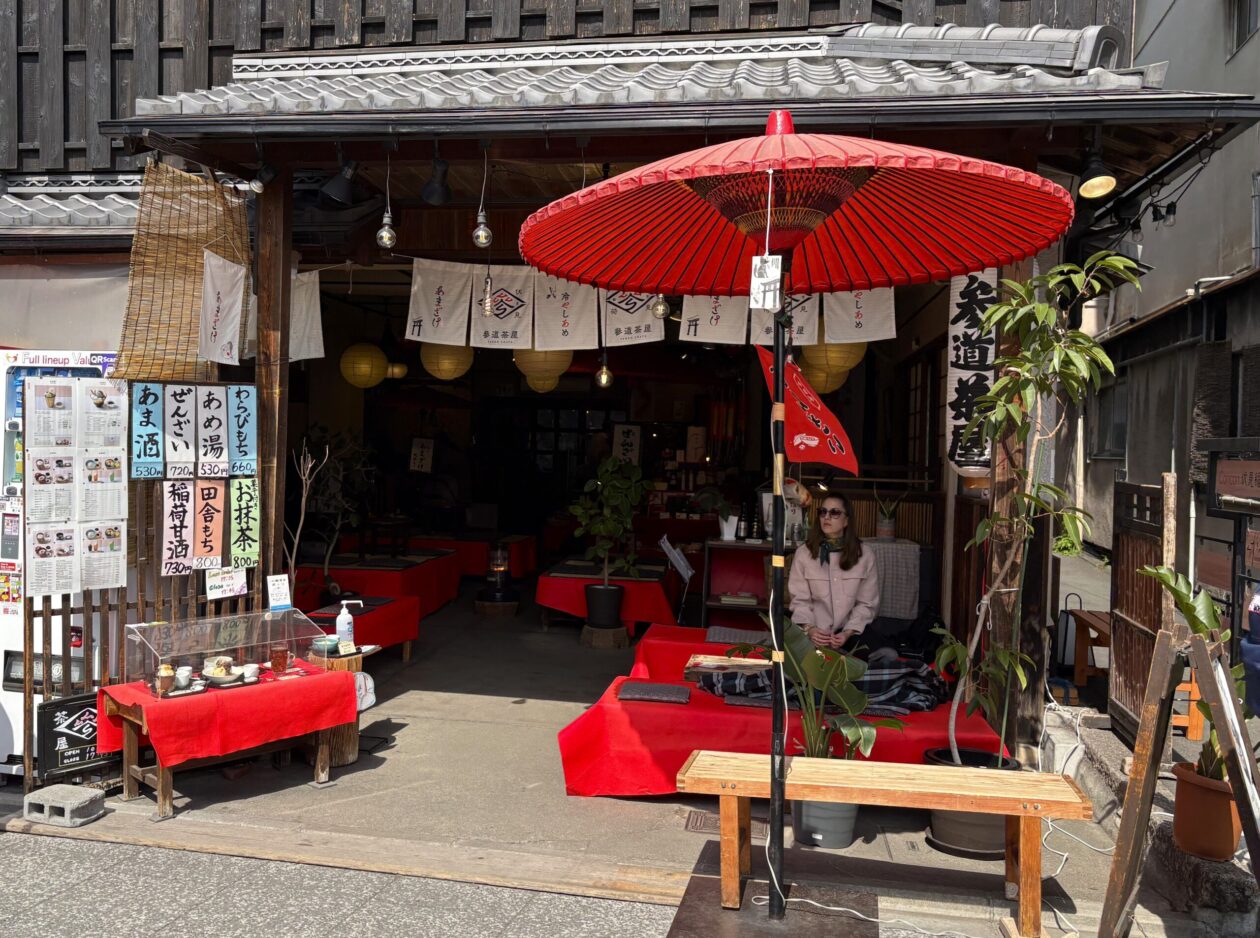
Sando Chaya
Looking for a place to rest after going up Fushimi Inari? Sando Chaya is the perfect place to rest your feet and enjoy some traditional Japanese sweets.
At Sando Chaya, they offer traditional sweets like warabi mochi (bracken starch mochi) and anmitsu (agar jelly cubes with fruit, red bean paste, and syrup on top) in the summer, and zenzai (red bean soup with mochi) and hot amazake (sweet non-alcoholic fermented rice drink) in the winter.
They also serve some cute Japanese-style parfaits! Those are my favorite, yum.
Sando Chaya: https://maps.app.goo.gl/pKY1V6rkDphJn3jy7
—————
Teuchi-udon Kendonya
Next to Keihan Fushimi-Inari station is an apartment complex with small restaurants on the bottom floor. One of these restaurants is Kendonya, an udon restaurant that handmakes their own udon noodles fresh daily. There is nothing better than a hot and comfy bowl of bouncy noodles during a cold winter day, or a refreshing cold plate of noodles in the summer.
Make sure to get here early since this place is quite popular!
Teuchi-udon Kendonya: https://maps.app.goo.gl/ZSRFBmVQ8eY2TrDW9
—————
Gyukatsu Kyoto Katsugyu
Gyukatsu Kyoto Katsugyu specializes in delicious gyukatsu, a unique Japanese dish featuring breaded and fried beef cutlets served with a side of rice and dipping sauces. With its tender, flavorful beef and crispy coating, this is a must-try for anyone craving a hearty, satisfying meal.
Gyukatsu Kyoto Katsugyu: https://maps.app.goo.gl/XUSJy91AKNyog4cZ6
—————
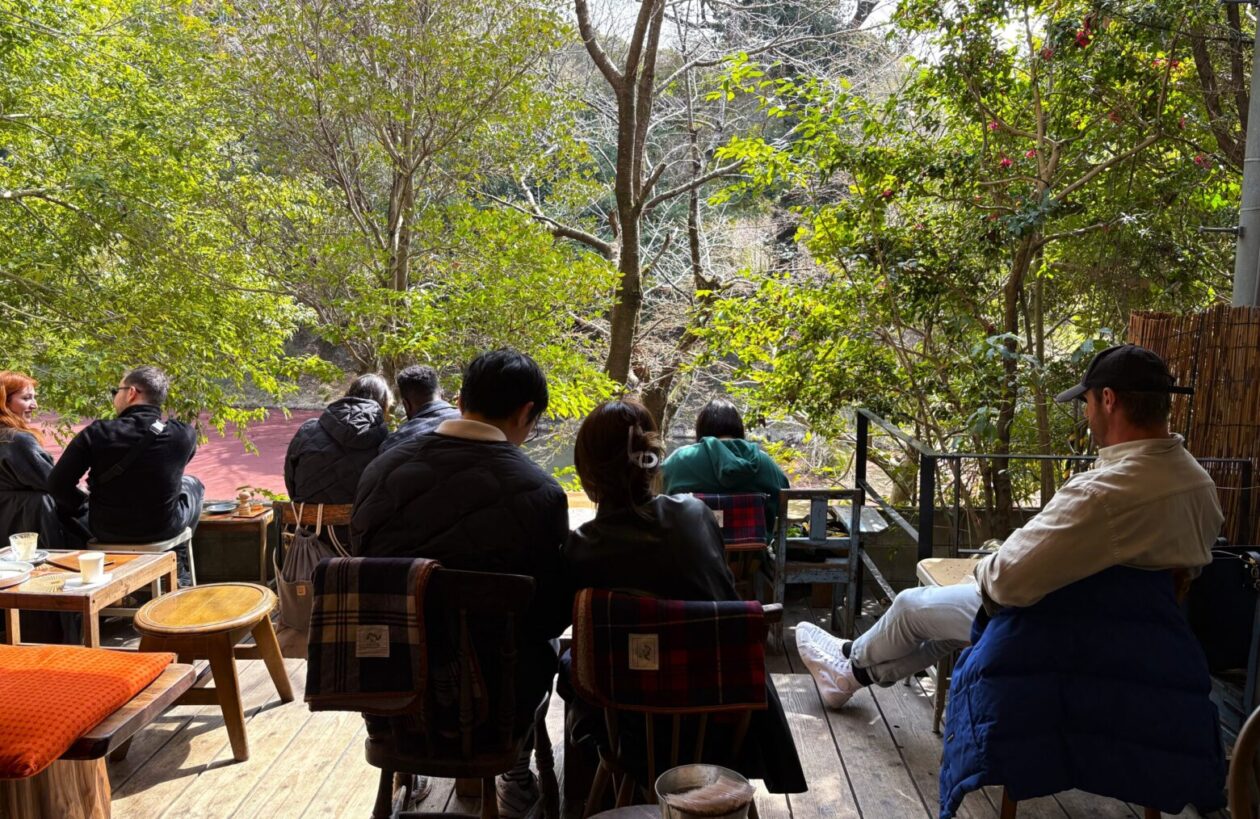
Vermillion Cafe
When the weather is nice, try Vermillion Cafe! Their outdoor terrace that looks out onto Mount Inari’s beautiful nature will make you feel at peace while sipping on some delicious coffee.
They cater to both meat-lovers and vegans alike here, with some plates full of meat and some full of veggies. There is something for everyone to enjoy!
Vermillion Cafe: https://maps.app.goo.gl/PauqJgz2M7nt1ZwT9
—————
Kyoto Shoryu is a ramen restaurant with a cozy atmosphere that is known for its rich, flavorful broth and perfectly cooked noodles.
Whether you’re craving a classic tonkotsu or a unique Kyoto-style ramen, this restaurant offers a satisfying bowl that highlights the region’s culinary flair.
Kyoto Shoryu: https://maps.app.goo.gl/zHSem3FsqmkSfWbb6
—————
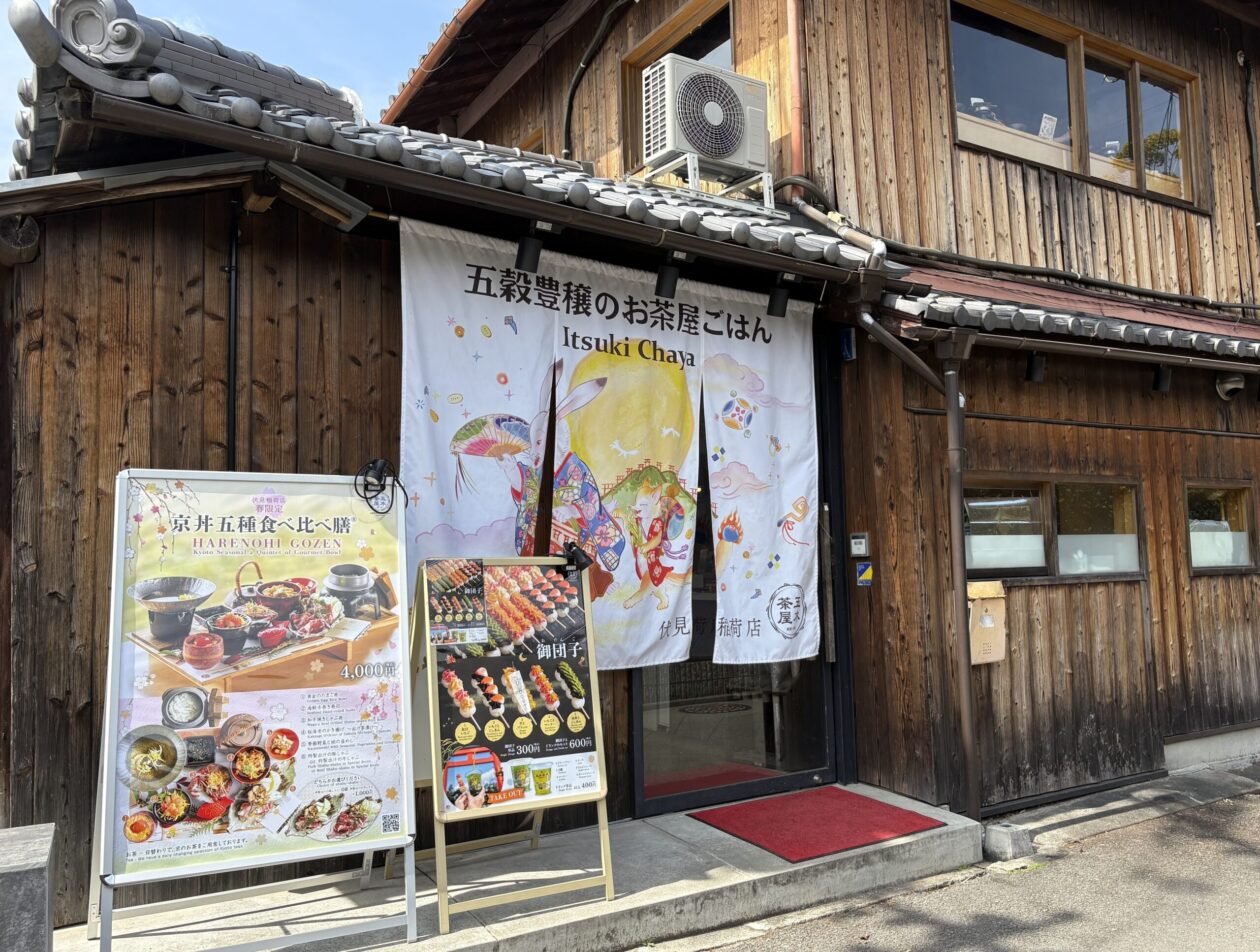
Itsukichaya Fushimi Inari
This is a traditional Japanese restaurant featuring expertly crafted set meals that use local and seasonal ingredients. The sets are 4,000+ yen, but are worth the cost for their beauty and deliciousness.
Make sure to reserve a table, especially if you’re coming to Japan during the busy seasons (spring and fall)!
Itsukichaya Fushimiinari: https://maps.app.goo.gl/K68zLthYLtSW98s48
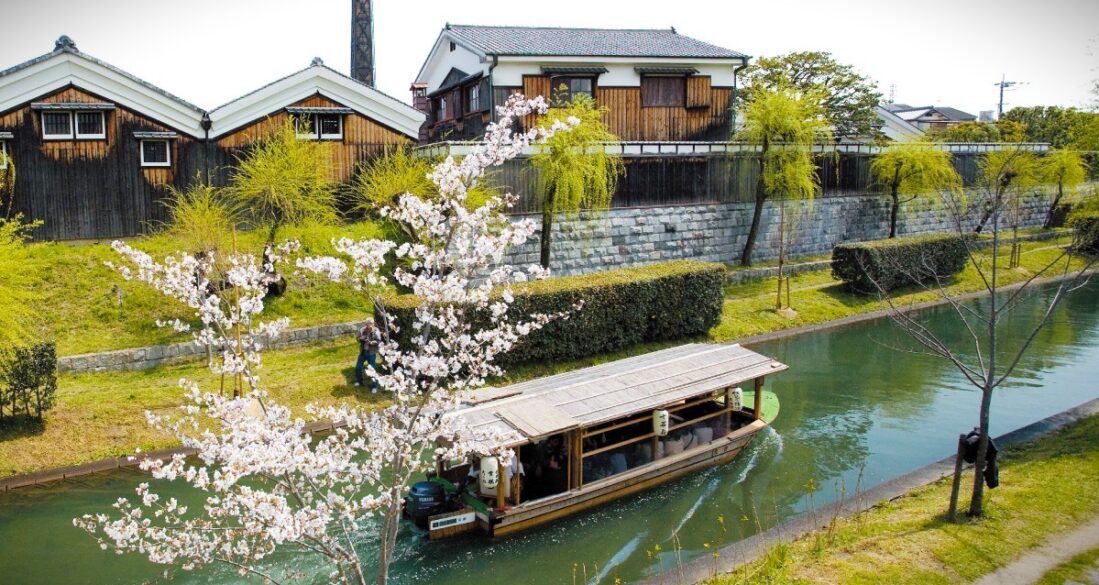
Sake, sake, and more sake in Fushimi!
The Fushimi area had a massive transformation during the Edo period (1603-1868), going from mostly farmland to a bustling trading hub. Due to the many rivers and canals running through the area, it became a strategic inland port. Along with this, Toyotomi Hideyoshi, a famous Japanese samurai and feudal lord, constructed his retirement home, Fushimi Castle, in Fushimi in 1594. All of this fueled the birth of a new Fushimi, one that would become one of Japan’s premier locations for sake brewing.
Fushimi has been a leading sake brewing district for centuries now, with around 40 sake breweries. The area is home to clean, soft water from underground springs. The name “Fushimi” originally carried the meaning of “hidden water” or “underground water”, indicating how important this water source was to the people. This is all thanks to the pure water from the nearby Mount Otowa. The location and the water make Fushimi one of the best sake-producing regions in Japan.
Clean and soft water is one of the key ingredients to making high-quality sake, along with high-quality rice, koji fungus, and yeast. It is said that soft water brings out the delicate flavors of sake. If any of these four ingredients is not up to the necessary quality, the sake will not taste good. Today, Fushimi is one of the top sake-brewing centers in Japan thanks to both the abundance of soft water and its history as a bustling trading hub.
Gekkeikan Museum and Brewery
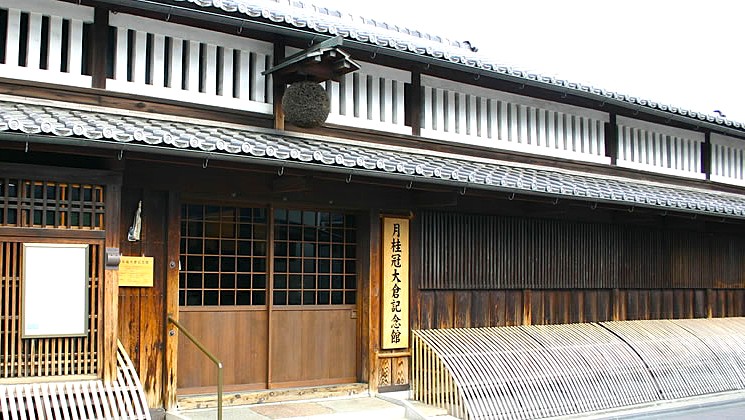
Established in 1637, Gekkeikan, one of the top sake breweries in Japan, made its home in the Fushimi area of Kyoto. They produce all kinds of sake at Gekkeikan, but their most famous sake is their junmai sake, meaning pure rice sake.
Gekkeikan is considered one of the world’s oldest companies, and has a rich history that can be explored extensively at the Gekkeikan Okura Sake Museum. If you’re interested in learning about different kinds of sake and the history of sake, we highly recommend this museum!
Here are some other places we recommend checking out in and around the Fushimi Sake District:
Fushimi Sake Village
Fushimi Sake Village is a must-visit destination for sake lovers, offering a deep dive into the region’s rich brewing history. Visitors can explore interactive exhibits, learn about the sake production process, and sample a variety of locally crafted brews in a charming, immersive setting.
Fushimi Sake Village: https://maps.app.goo.gl/X6buV8YBytmiNTBk9
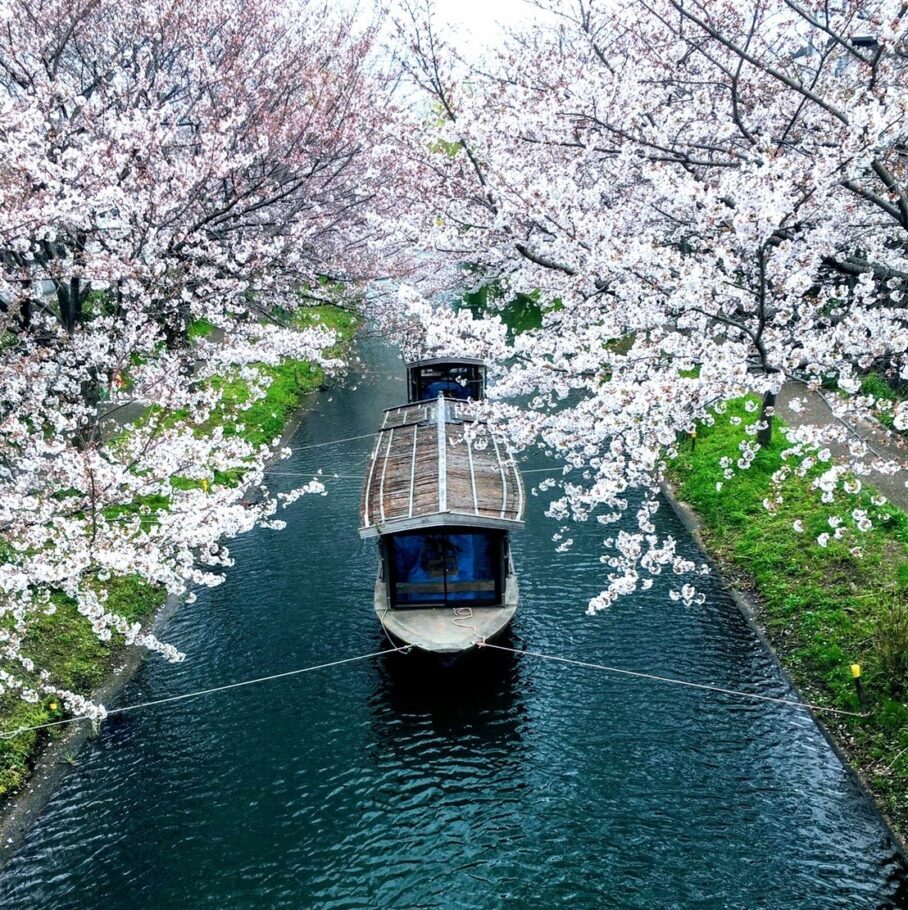
Fushimi Jikkoku-bune boats
Fushimi Jikkoku-bune boats offer a unique way to explore the scenic waterways of the Fushimi area, providing a relaxing cruise along the historic Uji River. These traditional boats let visitors enjoy the picturesque surroundings while learning about the region’s rich history and sake brewing heritage.
Fushimi Jikkoku-bune boats: https://maps.app.goo.gl/wtgDhnAn38dWxu9z6
Kizakura Sake Brewery
Kizakura is one of the region’s beloved sake producers. Known for its rich history and commitment to quality, Kizakura offers a unique glimpse into the art of sake brewing. Visitors can explore their sake museum to learn about the brewing process, from selecting the finest rice to fermentation techniques.
For sake enthusiasts and those new to the drink, Kizakura is a great place to deepen your appreciation for this centuries-old tradition!
Kizakura Sake Brewery: https://maps.app.goo.gl/ok2YbuPomgDaAVMg6
Fushimi Otesuji Shopping Street
Fushimi Otesuji Shopping Street is a relaxed local shopping street in Kyoto’s historic Fushimi district. It is a nice place to stop after visiting Fushimi Inari Shrine, especially if you want to browse local shops, try Kyoto snacks, or pick up souvenirs.
The street has a mix of traditional goods, casual restaurants, sweets shops, and sake stores. Visitors can find Kyoto specialties such as yatsuhashi, kyo-yuba, pickled vegetables, tofu dishes, and seasonal sweets. Since Fushimi is also known for sake, this is a good area to look for bottles from local breweries. If you are buying sake as a souvenir, choose a pasteurized bottle that can travel well without refrigeration.
Compared with Kyoto’s busiest sightseeing areas, Fushimi Otesuji Shopping Street feels more local and easygoing. It is a good spot to slow down, enjoy a snack, and experience a quieter side of Kyoto after exploring the torii gates.
Fushimi Otesuji Shopping Street: https://maps.app.goo.gl/dPRHq9Gjaxuasscn8
TL;DR
Fushimi Inari Shrine is Kyoto’s most iconic shrine, known for its 10,000 torii gates. Visit early morning to get the best experience. After the hike up the mountain, explore nearby food streets for Kyoto specialties and local eats.
Fushimi Inari and the surrounding area offer a perfect blend of culture, history, and mouthwatering flavors. From the iconic vermilion torii gates at Fushimi Inari Shrine to the local sake breweries and delicious Kyoto treats, there’s so much to explore.
Whether you’re hiking up the mountain or enjoying the local cuisine, the Fushimi area is a must-visit for anyone looking to experience Kyoto’s true charm!
Ready to dive into the vibrant flavors and rich history of Kyoto? Join us for an unforgettable adventure on our Kyoto Foodie Night Tour and Nishiki Market Food Tour! Come along and immerse yourself in the heart of Kyoto’s culinary culture like never before!
Interested in more Kyoto reads? Check out these other blog posts below:
– Arashiyama for First-Timers: Everything You Need to Know Before You Go
– Eat Like a Local in Kyoto: A Foodies Guide 2026
– Where to Get the Best Coffee in Kyoto: Local Favorites and Hidden Gems
– Guide to The Best Wagyu Burgers in Kyoto
2026 Fushimi Inari FAQ
What food is Fushimi Inari and the area around it known for?
Fushimi is known for Kyoto street food, udon noodles, traditional sweets like warabi mochi, and dishes featuring inari-style tofu. The area is also famous for its local sake.
When is the best time to visit Fushimi Inari in 2026?
The best time to visit Fushimi Inari in 2026 is early morning between 6:00 and 8:00 AM to avoid crowds. Spring and fall are the busiest seasons, while winter offers a quieter experience.
How long should you spend at Fushimi Inari Shrine?
Most visitors spend 2 – 3 hours exploring Fushimi Inari Shrine, including walking through the torii gates and stopping for food nearby.
Is Fushimi Inari Shrine free to enter?
Yes, Fushimi Inari Shrine is completely free to enter and open 24 hours a day, making it one of Kyoto’s most accessible attractions.
What is Fushimi Inari Taisha famous for?
Fushimi Inari Taisha is famous for its thousands of vermilion torii gates that form scenic walking paths up Mount Inari, as well as its connection to the Shinto deity of prosperity.
Are there good restaurants near Fushimi Inari Shrine?
Yes, there are many excellent restaurants and food stalls near Fushimi Inari Shrine offering Kyoto specialties, beef dishes, ramen, sweets, and vegetarian options. We listed many in the above blog!
Can you visit Fushimi Inari at night?
You can visit Fushimi Inari at night since it is open 24 hours, but it is not recommended to hike far up the mountain after dark due to limited lighting.
The Ultimate Japanese Matcha Guide: Taste, Tradition and Travel in Japan
Few beverages have captured worldwide fascination quite like Japanese matcha. This finely ground green tea powder, known for its vivid color and earthy, umami-rich flavor, has made its way from traditional Japanese tea rooms to modern cafés and kitchens around the world. Whether you’re sipping a frothy matcha latte or whisking it ceremonially with a […]
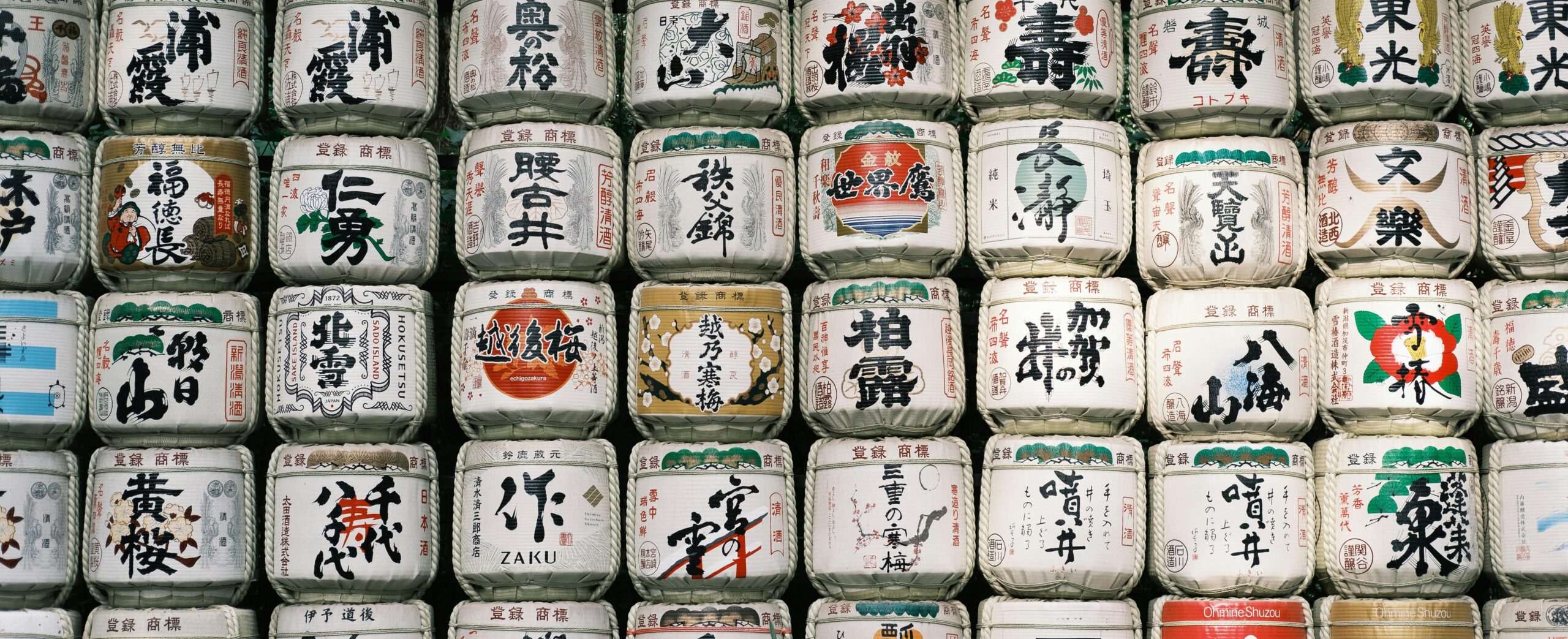
Sake Tasting in Tokyo: The Best Starting Point for First-Time Visitors
Sake tasting is one of the most enjoyable ways to experience Japan’s food culture, especially for first-time visitors who want to discover new flavors beyond the usual restaurant menu. You may know that it is Japan’s most famous traditional drink, but once you sit down at a restaurant or izakaya, the menu can be hard […]
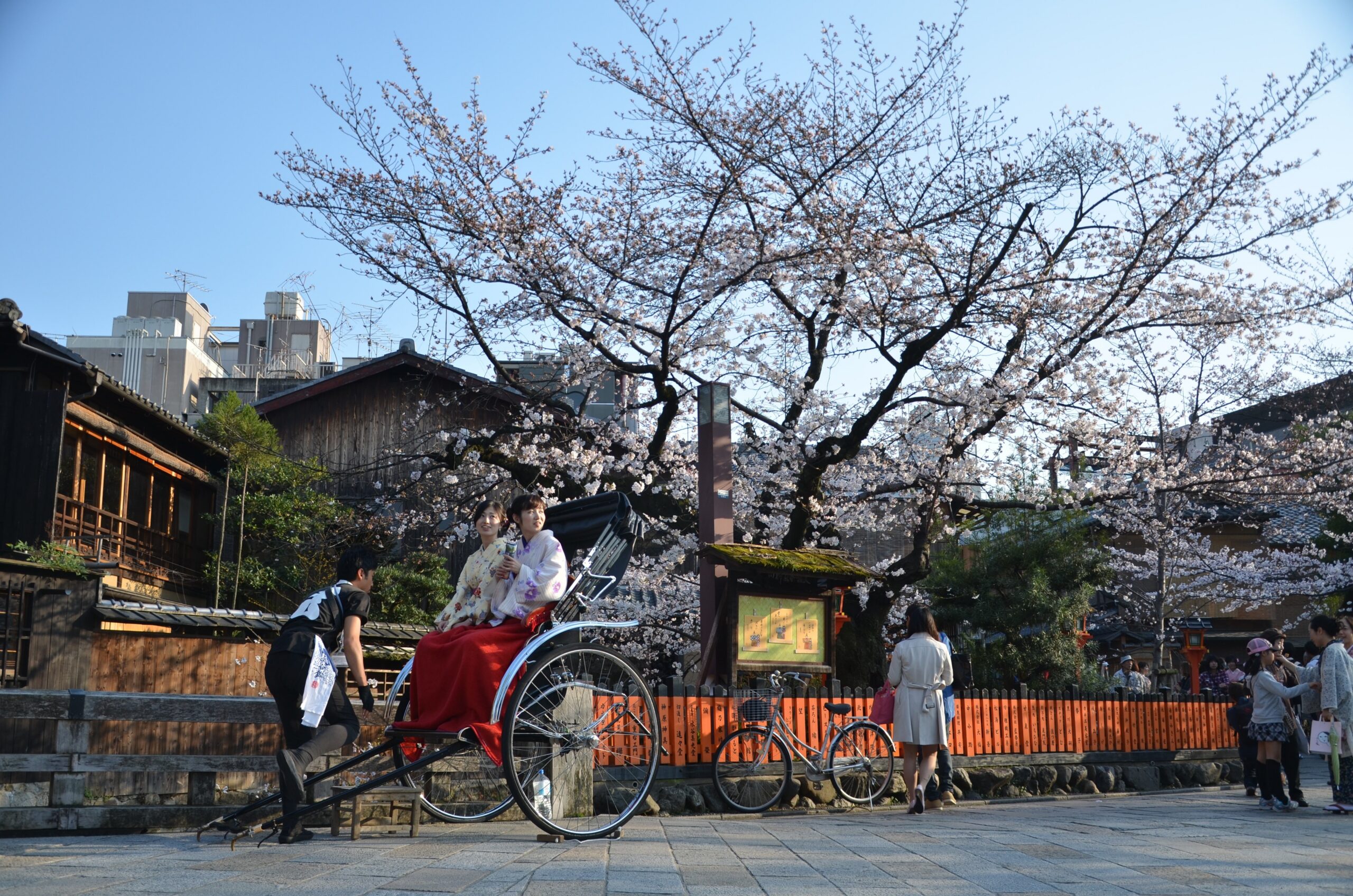
Best Breakfast in Kyoto 2026: Japanese Sets & Morning Cafes
Breakfast in Japan is often a thoughtful and balanced meal that sets the tone for the day. Traditional Japanese breakfasts typically feature a variety of small, flavorful dishes designed to offer a harmonious combination of flavors, textures, and nutrients. These meals often include steamed rice, miso soup, grilled fish, and pickled vegetables. For travelers, breakfast […]
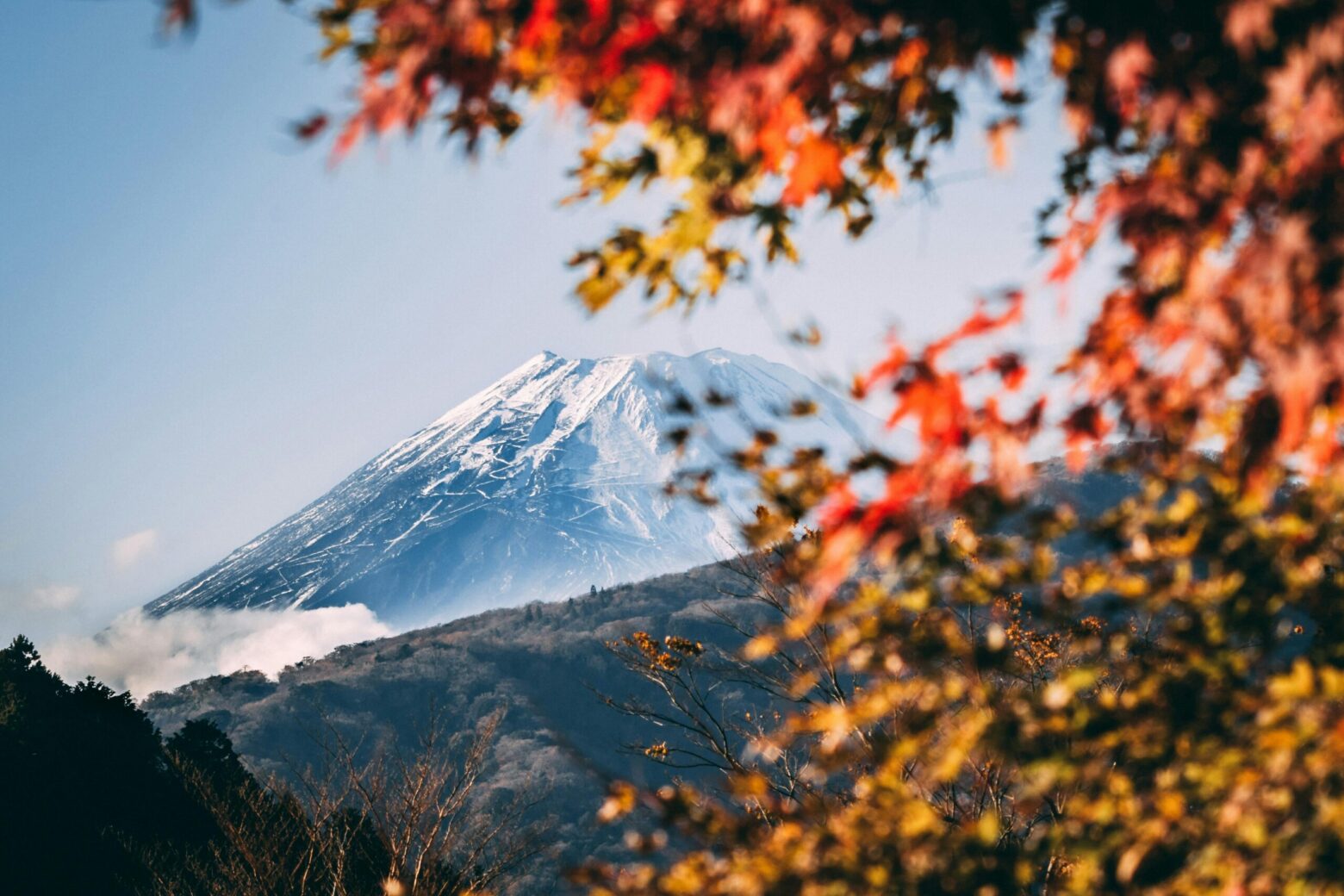
The 10 Best Day Trips From Tokyo by Train: Hidden Gems and City Escapes
Tokyo is one of the most exciting cities in the world, but one of its biggest advantages is how easy it is to head to quieter and more intimate destinations. With Japan’s fast, reliable rail network, you can step out of the capital and into temples, mountains, coastal towns, or hot spring resorts in under […]