
Eat Like a Local in Kyoto: A Foodies Guide 2026
Are you visiting Kyoto and looking for a guide on how to eat like a local?
There are TONS of restaurants across Japan, and it can be quite overwhelming to search for restaurants for every single city you visit. After all, Tripadvisor and Yelp are not as reliable for searching for good restaurants in Japan.
Based on my experience at Ninja Food Tours, people tend to stay in Kyoto for less days than they stay in Tokyo. Many guests also ask me for restaurant recommendations in Kyoto, so I thought it would benefit a lot of people if I created a quick and easy restaurant guide!
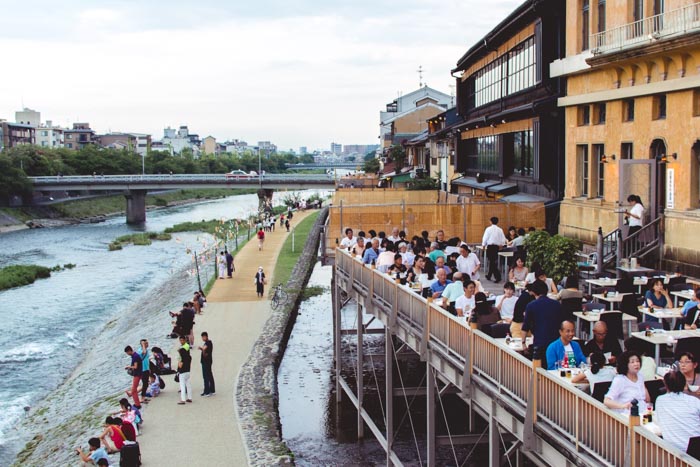
Kyoto is the best city to go to in Japan if you want to learn all about Japanese traditional culture and history. It was Japan’s capital from the 8th century to the 19th century, and was the political and cultural hub for over 1,000 years. The Japanese emperor lived there during that entire period, too. Due to these reasons, Kyoto is unlike any other city in Japan.
In this Kyoto Foodie Guide, we will go over traditional and local foods you must try while in Kyoto, and where to go to get the best food experiences.
You might get a little hungry while reading this article, so feel free to go grab a snack to munch on and let’s get to it!
Here is a list of 5 foods you should definitely try when in Kyoto. Restaurant recommendations for each of the foods on the list will follow.
1. Soba & Nishin Soba (Herring Soba)
Soba is a noodle dish made from Japanese buckwheat noodles. You can eat this dish all over Japan, so why am I recommending you to try this dish in Kyoto specifically?
Kyoto is known for the softness and quality of its water. Any food made with a lot of water will taste extra delicious if it is made with Kyoto’s water, which is why Kyoto is famous for Tofu, Sake, and Soba. All of these require a good quality of water to produce.
Kyoto is surrounded on almost all sides by mountains. The people that lived there did not have any access to fresh seafood due to being surrounded by mountains and by being landlocked. In order to deal with this, they had to develop cooking techniques to preserve food.
Kyoto is basically surrounded by mountains, and people there did not have access to fresh seafood in the past. That’s the reason why they have developed a lot of cooking techniques to preserve food.
Have you ever tried herring soba, or “nishin soba” in Japanese? No, I am not talking about Nisshin Cup Noodles!
The pacific herring fish was a popular protein source back in 19th century Kyoto. To transport the fish, they had to preserve it, which they did by drying it. They then simmered it in soy sauce, mirin, and sugar. One day, a chef in Kyoto started serving the simmered herring with soba noodles, and since then nishin soba has become popular all over Japan.
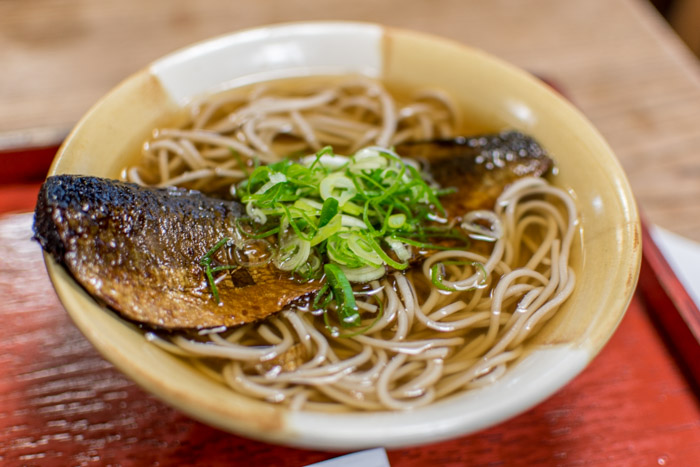
Today, you can find soba noodles with other toppings as well, such as tempura, duck, or vegetables, and it is typically served warm.
Make sure to try nishin soba (にしんそば in Japanese) when you visit Kyoto!
Where to try Nishin Soba in Kyoto
- Matsuba (Gion area)
This is the very first restaurant that started serving Nishin Soba. The restaurant was opened by the Matsuno family in 1861, and they have continued serving soba since then.
They had to close the restaurant during the war, but around 1946, the family started to expand the business of buying herring from Hokkaido.
Now it is one of the most iconic restaurants in the Gion district of Kyoto. It is a great place to stop for lunch!
Address: https://maps.app.goo.gl/hpGGWUzZh75QwWubA
- Honke Owariya (Karasuma Oike)
This soba restaurant is known both by domestic Japanese tourists and foreign tourists. You have probably heard ofi it before, since it is known as Kyoto’s oldest restaurant. Established in 1465 as a confectionery shop, it was later turned into the soba shop it is known as today.
Here, they use the freshest Kyoto spring water to make their dashi broth for the soba noodles, which makes the delicate and unique flavors of the broth pop. I highly recommend this restaurant for it’s delicious soba and traditional atmosphere, so please give it a try! History and deliciousness come together in perfect harmony here.
Arrive early to avoid lines!
Address: https://maps.app.goo.gl/23Z5fb2tiDEosLtv5

2. Obanzai
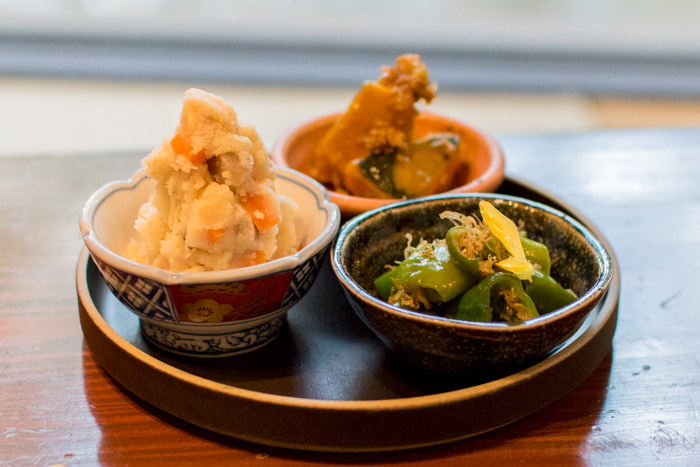
Obanzai is a traditional style of Japanese cuisine native to Kyoto. It consists of a bunch of small dishes, almost like a Japanese version of Spanish tapas, that use Kyoto vegetables and other Kyoto ingredients. For something to be considered “obanzai”, at least half of the ingredients must be produced or processed in Kyoto.
Kyoto is famous for fresh vegetables, and there is even a Japanese term, Kyo Yasai (京野菜) for vegetables from Kyoto.
The reason Kyoto grows so many vegetables is because of the large Buddhist Monk population. Buddhist monks must eat vegetarian diets, so vegetables are very important to them.
This is great news for vegetarians coming to Kyoto! It can be hard to find good vegetarian food in Japan, but Kyoto has got you covered! (You should still be careful though–some restaurants use dashi broth, Japanese fish broth, to cook.)
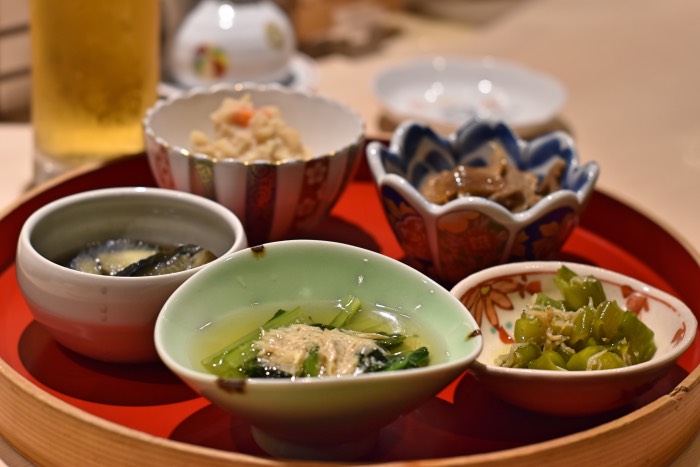
There are about 32 kinds of vegetables defined as “Kyoto Vegetables”. Many of them are seasonal, like eggplant in the summer and daikon radish in the winter.
Where to try Obanzai in Kyoto
- Menami (Kiyamachi)
Having served authentic Japanese food for more than 75 years, Menami is a very popular restaurant with the locals and domestic tourists alike.
Make sure to try their Obanzai platter when you go. The platter changes every day and includes different small dishes using only seasonal ingredients.
It is recommended to make reservations in advance. If your party is 2-3 people, make sure to get seats at the counter.
Address: https://maps.app.goo.gl/RoNVPFkZMfVy5cHbA
- Aisani (Kawaramachi)
This cozy little restaurant is located just a few minutes from Kawaramachi street. At Aisani, they serve traditional Japanese dishes as well as Japanese style western food (e.g. Japanese Paella) and modern takes on traditional dishes.
This restaurant is also a nice place for drinks and a light meal before or after dinner.
Address: https://maps.app.goo.gl/VHAoXN4bQpqXd2tg9
3. Saba Sushi
As you probably already know, Japan is the land of sushi.
However, did you know that “Kyoto-style sushi” is different from the sushi you’re familiar with?
Historically speaking, people in Kyoto did not have easy access to fresh seafood since it is located far from the sea. People still ate fish, but the fish was delivered gutted and dried or fermented from either the West or the North.
Even though Kyoto was not able to obtain fresh fish in the past, Kyoto created its own version of sushi, with the most popular one being saba sushi (鯖寿司).
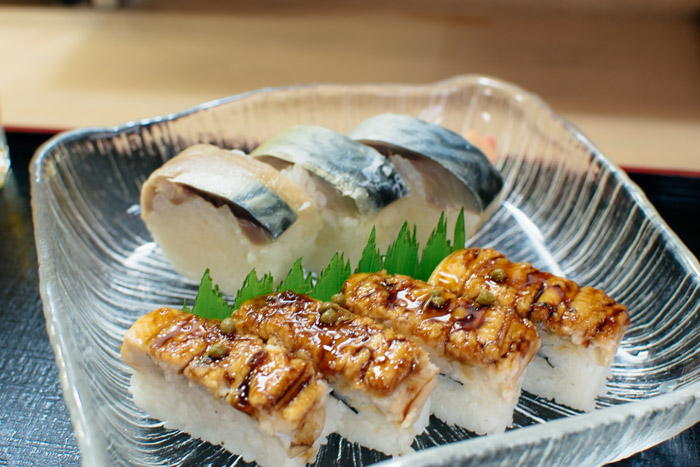
Saba (mackerel) sushi is a traditional dish in Kyoto. In the old days, fresh mackerel covered with salt from the North used to get delivered to Kyoto. It was eaten on special occasions locally, and was not a daily meal like obanzai. Today, chefs marinate the fish in vinegar and press it with rice to make saba sushi, making it very different from the nigiri sushi the world knows and loves.
So, what makes saba sushi so great?
Saba sushi has a nice combination of fattiness from the fish and sourness from vinegar. It is very different from the usual kind of fresh sushi, so if you want to try a unique kind of sushi, give saba sushi a try! It’s unique, authentic, and tasty.
Where to try Saba Sushi in Kyoto
- Chidoritei (Gion)
Chidoritei is a small family-owned restaurant, with the current owner-chef being third generation. The saba mackerel is marinated and seasoned perfectly, which, when paired with the vinegared sushi rice, makes for a wonderful combination.
They serve other types of sushi, such as authentic chirashi (but not the typical chirashi with a lot of seafood) and eel sushi. Make sure you try some if you visit Chidoritei.
Address: https://maps.app.goo.gl/8x1gf2Ak432mifU18
- Hisagozushi (Kawaramachi)
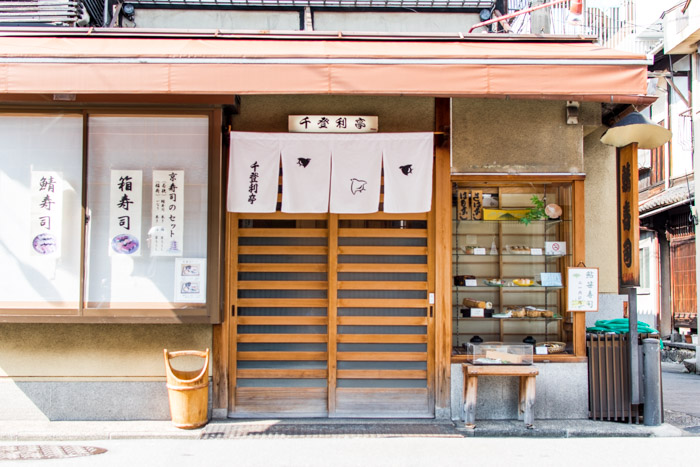
This restaurant may be located on the main street of downtown Kyoto, Kawaramachi, but you could easily pass by it without even noticing it.
Hisagozushi offers a great selection of different sushi types; chirashi, nigiri, and saba sushi. If you want to try everything, make sure to order their sushi platter.
Address: https://maps.app.goo.gl/4ZaKbKPFVEDnsf8i9
4. Kyoto Ramen
Ramen, the delicious and comforting noodle dish everyone inside and outside Japan knows and loves.
But did you know that there are different ramen flavors depending on the region you’re in? For example, if you go to Hokkaido, you will see miso ramen and ramen with butter and corn as toppings.
In Kyoto, though, you will see a lot of tonkotsu, or pork broth, ramen. Tonkotsu is not originally from Kyoto, but as it is a big college town, tonkotsu ramen is quite popular among college students as well as locals. Nowadays, it is also popular with tourists, too.
There are tons of fantastic ramen restaurants across Kyoto city, which we will list below. However, if you are really into ramen and have extra time to explore a more non-touristy part of the city, go to the neighborhood called Ichijoji (一乗寺). There are more than 20 ramen shops in this small neighborhood, including the main store of Tenkaippin, a now nationwide ramen chain.
Where to try Ramen in Kyoto
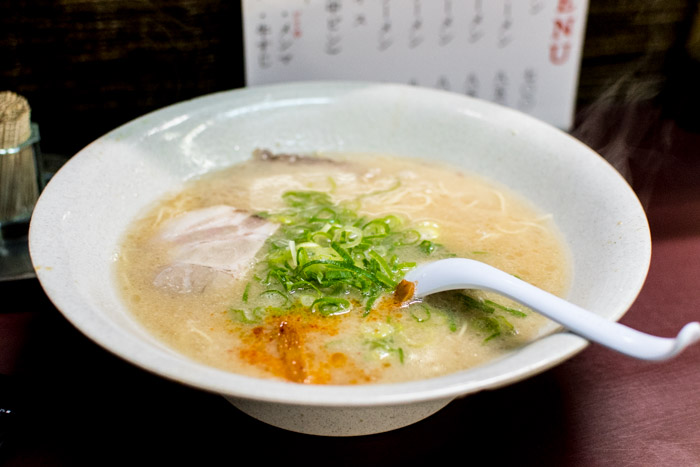
- Hataka Nagahama Miyoshi
This is a popular ramen restaurant that locals like to go to after drinking. They serve Hakata’s (Fukuoka’s) famous style of ramen, tonkotsu ramen. The broth is rich and full of umami flavor.
Expect to wait for 10-20 minutes outside depending on when you go. Want to have a late night bowl of ramen after drinking or partying? This restaurant has got you covered, since they are open until 6 am.
Address: https://maps.app.goo.gl/qYqPtVT1NFkQEdiaA
- Sugari (Karasuma)
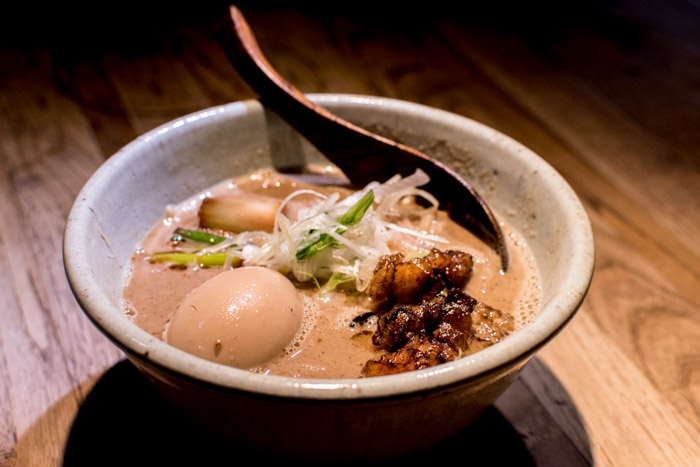
This is a well-known and popular ramen restaurant in the Karasuma area of Kyoto. It is located in a Machiya, or an old Japanese house, that has been renovated and turned into a ramen bar/restaurant.
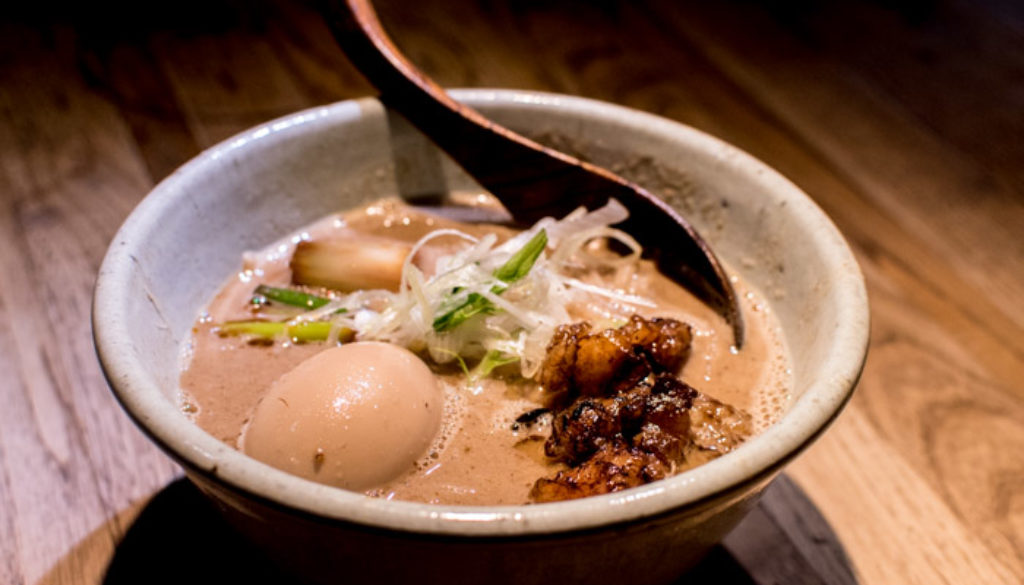
Here, they serve wagyu beef ramen as well as intestine ramen, which, if you’re up for the challenge, is delicious. Check out the picture below. It looks great!
Address: https://maps.app.goo.gl/SaFiEsZg2EyHWZ79A
- Yamazaki Menjiro (Enmachi)
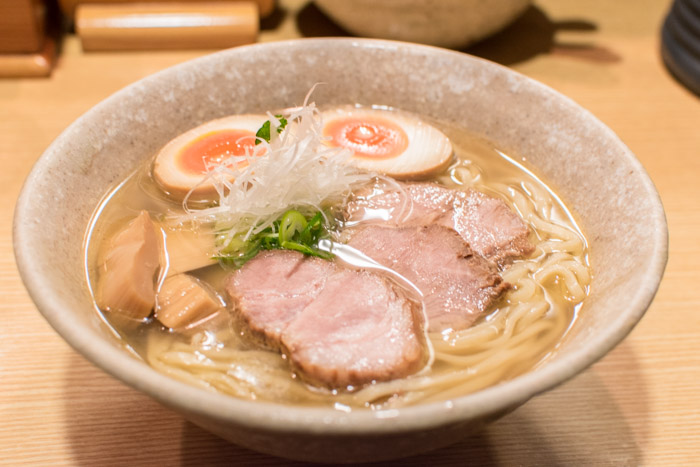
This Michelin-starred ramen restaurant serves only soy-sauce or shio (salt) flavored ramen. The broth is delicate and balanced, but manages to bring out a lot of umami flavor.
This restaurant is located a bit far away from the downtown area, but is definitely worth the trip. If you want to see what real Japanese ramen is, make sure to give this place a try. They are closed on Mondays and Tuesdays.
Address: https://maps.app.goo.gl/89LdRgUeYua81C997
5. Matcha Desserts
Ever since tea was first introduced to Kyoto from China in the early 9th century, tea has become popular all across Japan.
A bit south of Kyoto city is the city of Uji, where some of the most expensive green tea is produced. In Uji city, there are tons of matcha stores and shops serving different kinds of green tea products. Much of Kyoto’s quality matcha comes from the Uji area.
You might have heard many matcha related words, such as sencha, ryokucha, gyokuro, and so on. Here is a breakdown of some matcha related words.
- Ryokucha (緑茶): This is a broad term that means green tea in Japanese. Both black tea and green tea are produced from the same kind of tea bush. Japanese green tea is produced by steaming the leaves, which differs from the pan-fired green tea in China.
- Sencha (煎茶): The most common type of green tea/ryokucha in Japan. The steamed leaves are steeped in water to produce this.
- Gyokuro (玉露): This is tne of the most expensive type of green tea/ryokucha. The tea leaves are the same kind as sencha, but gyokuro is grown under shade prior to plucking the leaves, giving it a sweeter flavor.
- Matcha (抹茶): If you grind the gyokuro leaves into a fine powder, it becomes matcha. This powder is what we use during Japanese tea ceremonies. The powder is whisked in hot water until it is well mixed and the beverage becomes a bit frothy.
Learning about Japanese green tea and experiencing the Japanese tea ceremony is a great way to immerse yourself in Japanese tea culture and history. However, you can also enjoy Japanese tea in delicious matcha sweets all across Kyoto.
Where to try Matcha Sweets in Kyoto
- Gion Tsujiri (Gion Shijo/Kyoto Station)
This shop is relatively new (1978) compared to other matcha and green tea shops, but it gained popularity serving various kinds of sweets such as shaved ice, cakes, parfaits, and green tea soba. My personal recommendation is the parfaits. Please try them!
Address (Gion): https://maps.app.goo.gl/2ot7U5m8FAkqCKgJ6
Address (Kyoto Station): https://maps.app.goo.gl/xeVQx8gh1V731ifz8
- Nanaya (Kawaramachi Sanjo)
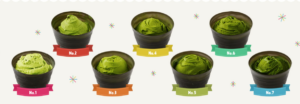
This ice cream store focuses on interesting Japanese flavors. The flavors they’re most known for are their 7 different intensities of matcha ice cream. If you want to try out some insane matcha ice cream, give their matcha ice cream number 7 a try. But I will warn you, it is intense!
Address: https://maps.app.goo.gl/AAPs29SHuEaCkCGC6
Now you know five great local foods to try when in Kyoto.
So, which food will you try first?
Conclusion
Kyoto is one of the best places in Japan to explore local food culture, and trying its signature dishes is one of the easiest ways to connect with the city’s history and traditions. From comforting bowls of nishin soba and beautifully prepared obanzai to Kyoto-style saba sushi, rich ramen, and high-quality matcha desserts, each dish tells a different story about the region.
Whether you are visiting Kyoto for a few days or building your whole trip around food, this guide is a great place to start if you want to eat like a local in 2026.
Ready to dive into the vibrant flavors and rich history of Kyoto? Join us for an unforgettable adventure on our Kyoto Foodie Night Tour and Nishiki Market Food Tour! Come along and immerse yourself in the heart of Kyoto’s culinary culture like never before!
Interested in more Kyoto reads? Check out these other blog posts below:
– Arashiyama for First-Timers: Everything You Need to Know Before You Go
– Where to Get the Best Coffee in Kyoto: Local Favorites and Hidden Gems
– Guide to The Best Wagyu Burgers in Kyoto
Kyoto Food Guide FAQ
What food is Kyoto best known for?
Kyoto is best known for traditional dishes like obanzai, nishin soba, saba sushi, tofu dishes, and matcha sweets. The city is famous for elegant flavors, seasonal ingredients, and food shaped by its long cultural history.
What is the best local food to try in Kyoto?
Some of the best local foods to try in Kyoto are nishin soba, obanzai, saba sushi, Kyoto-style ramen, and matcha desserts. These dishes give visitors a good introduction to both traditional Kyoto flavors and modern local favorites.
What is obanzai in Kyoto?
Obanzai is a traditional Kyoto style of cooking made up of several small dishes prepared with local and seasonal ingredients. It is often compared to a Japanese version of tapas and is a great choice if you want to try a variety of Kyoto flavors in one meal.
Is Kyoto good for vegetarians?
Kyoto is one of the better cities in Japan for vegetarians because of its strong vegetable-based food culture and Buddhist culinary influence. Obanzai restaurants can be a good option, though it is still important to check whether dishes use fish-based dashi broth. It can still be a little difficult, however, so make sure to research and plan ahead!
Where can I eat like a local in Kyoto?
To eat like a local in Kyoto, look for long-running neighborhood restaurants that specialize in Kyoto dishes such as soba, obanzai, saba sushi, ramen, and matcha sweets. Areas like Gion, Kawaramachi, Karasuma, and Ichijoji have many good options.
What dessert should I try in Kyoto?
Matcha desserts are one of the best sweets to try in Kyoto, especially since much of the region’s high-quality tea comes from nearby Uji. Popular options include matcha parfaits, matcha ice cream, shaved ice, and other green tea-based sweets.
Izakaya in Japan 2026: Etiquette, How to Order, and Not Stand Out
Push open a smoke-scented curtain, duck under a row of paper lanterns, and suddenly you’re in it: skewers hissing on the grill, someone slamming a glass down mid-laugh, a chorus of “kanpai!” erupting from the table behind you. This is peak Japan after dark, and for a few confusing minutes, you have absolutely no idea […]
The Ultimate Japanese Matcha Guide: Taste, Tradition and Travel in Japan
Few beverages have captured worldwide fascination quite like Japanese matcha. This finely ground green tea powder, known for its vivid color and earthy, umami-rich flavor, has made its way from traditional Japanese tea rooms to modern cafés and kitchens around the world. Whether you’re sipping a frothy matcha latte or whisking it ceremonially with a […]
Sake Tasting in Tokyo: The Best Starting Point for First-Time Visitors
Sake tasting is one of the most enjoyable ways to experience Japan’s food culture, especially for first-time visitors who want to discover new flavors beyond the usual restaurant menu. You may know that it is Japan’s most famous traditional drink, but once you sit down at a restaurant or izakaya, the menu can be hard […]
Best Breakfast in Kyoto 2026: Japanese Sets & Morning Cafes
Breakfast in Japan is often a thoughtful and balanced meal that sets the tone for the day. Traditional Japanese breakfasts typically feature a variety of small, flavorful dishes designed to offer a harmonious combination of flavors, textures, and nutrients. These meals often include steamed rice, miso soup, grilled fish, and pickled vegetables. For travelers, breakfast […]
November 3, 2018 @ 6:09 pm
Can you suggest somewhere to go for ramen in the ichijoji area?
Also I am travelling with a vegetarian. Are there any good vegetarian friendly lunch/ dinner places you can suggest?
November 8, 2018 @ 12:24 am
If you are looking for a good shojin cuisine, try Shigetsu in Tenryuji temple in Arashiyama 🙂
November 5, 2018 @ 12:39 am
Hi, which ramen shop will you recommend in Ichijoji area please? I’m looking for a good ramen shop which does not have a very long waiting time/ queue. Thank you!
November 8, 2018 @ 12:23 am
well – you cannot skip the line for a good ramen… if you like rich ramen, try Menya Gokkei!
February 21, 2019 @ 5:40 pm
Hi, these places that you’ve recommended, what are the price range?
Thank you.
December 6, 2023 @ 5:20 am
Tips well considered!!
December 7, 2023 @ 2:12 am
Very good information. Cheers.
December 8, 2023 @ 4:14 am
You reported that wonderfully!
December 8, 2023 @ 7:19 am
Very good knowledge. With thanks!
December 10, 2023 @ 4:46 am
You actually stated this really well.
December 11, 2023 @ 4:13 am
You suggested this adequately!